Skip to content Skip to left sidebar Skip to footer

News & Events

From pilot to pathway: What MALTESE learned at its Final Dissemination Event

HOW A PLACE-BASED DIGITAL HUB IN MALTA CONNECTED GEOAI, COLLABORATIVE MAPPING, RURAL E-COMMERCE AND STAKEHOLDER LEARNING, AND WHAT THIS MEANS FOR FUTURE REPLICATION ACROSS EUROPE

On 25 June 2026, the MALTESE Final Dissemination Event at the Malta Digital Innovation Authority in Birkirkara brought together the project’s technical work, training experience and rural innovation agenda. The event presented the MALTESE prototype, participant experiences and pitch ideas, then opened a wider discussion on sustainability, replication and future collaboration.

1. Challenges, lessons learned and recommendations

MALTESE started from a difficult operating environment. Malta’s agricultural sector is dominated by small and fragmented holdings, many farmers work part-time, and digital tools often remain too costly, complex or disconnected from daily needs. The project therefore faced a dual task: building credible services while making them usable for people with limited time, variable digital confidence and highly local information needs.

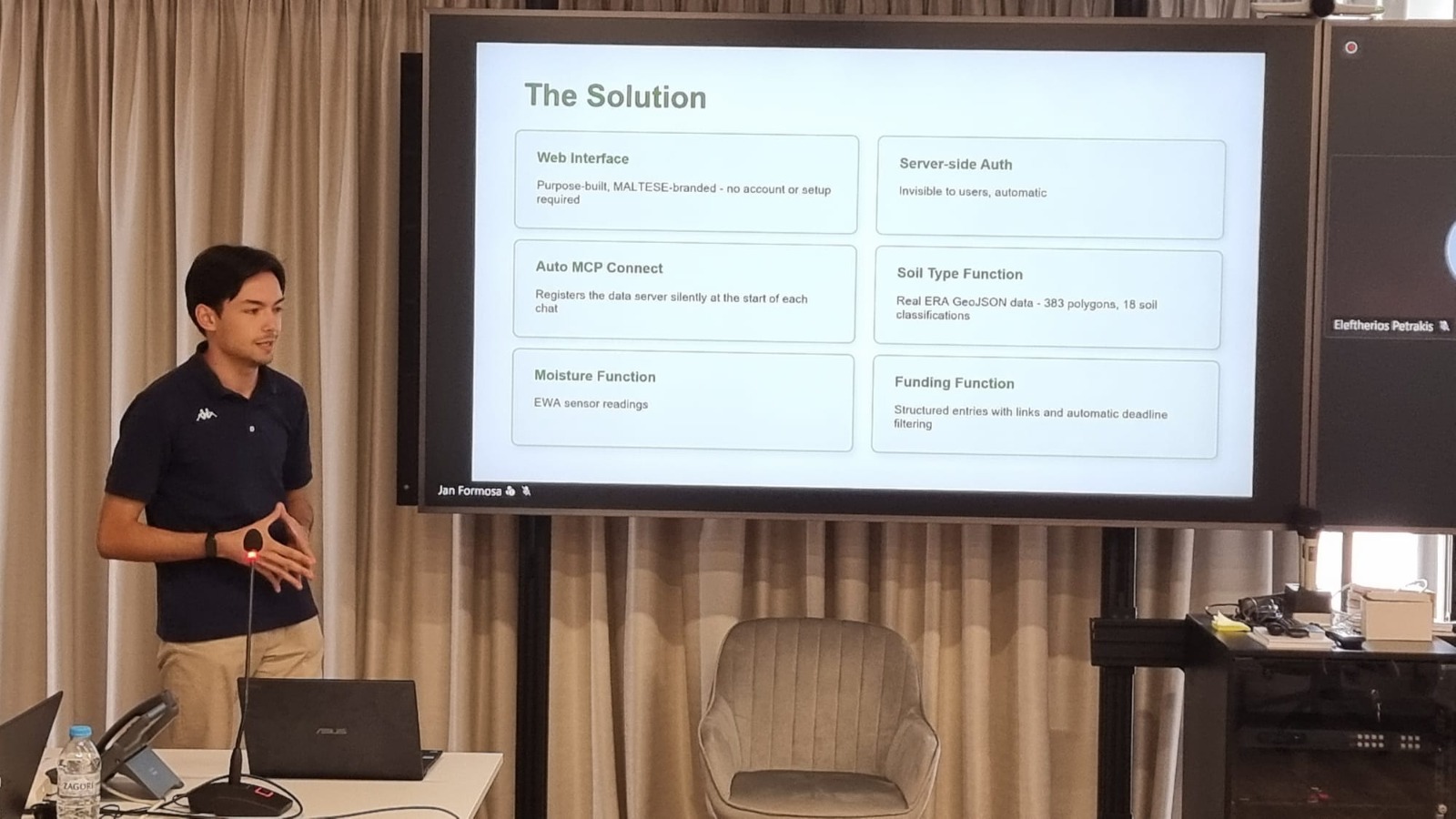
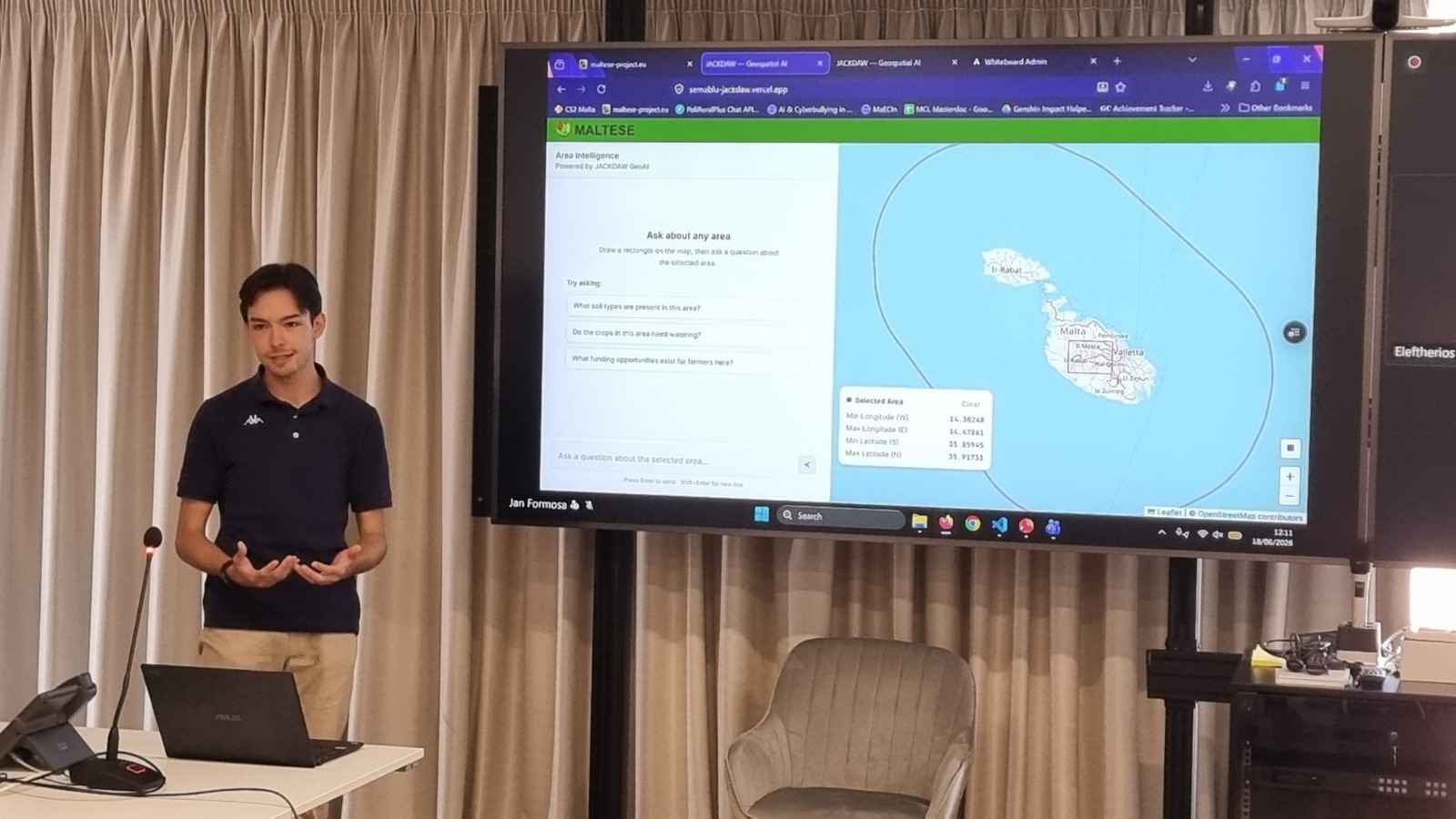
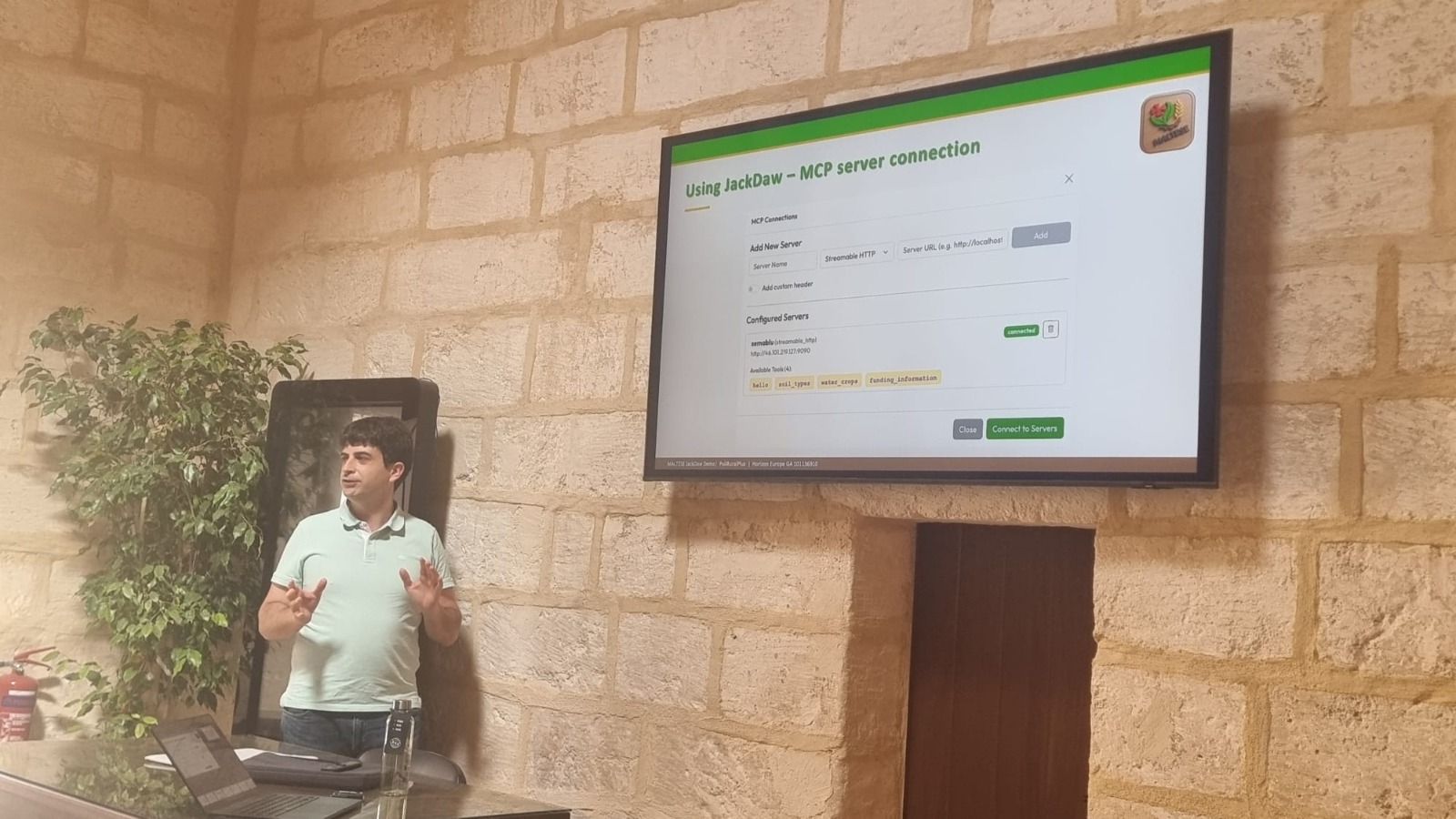
The first challenge was access. Earlier versions of the JackDaw workflow required each user to create an account, run a Python server locally and manually connect the Model Context Protocol, or MCP, server. This setup was workable for developers and unrealistic for most farmers or entrepreneurs. MALTESE responded with a branded web interface, server-side authentication and automatic MCP connection. Users can open the service, select an area on a map and ask a question while authentication and tool registration happen in the background.

A second challenge concerned data. An AI assistant becomes useful when its answers are grounded in reliable local information. The early soil tool used three hard-coded categories. The improved version reads an Environment and Resources Authority GeoJSON layer containing 383 polygons and 18 soil classifications, then calculates the soil composition of the selected area. The irrigation function moved beyond a fixed response and began using timestamped sensor data with a volumetric water content threshold. Funding information was restructured into clearer entries with links and deadline filtering.

A third challenge was integration. MALTESE combines JackDaw, Map Whiteboard and the Rural-Urban E-Market. Each has a distinct role, yet users need a coherent journey rather than three disconnected services. The prototype shows how location-specific advice can support decisions made on collaborative maps, while market tools can turn production and business ideas into producer profiles, products and orders.

The strongest implementation lesson is that invisible infrastructure determines visible usability. Authentication, token refresh, data formats and mobile responsiveness may sound like backend details. They decide whether a non-technical participant can use the service without assistance.

A second lesson is that local data is more valuable than generic technical sophistication. Soil classifications, protected-area layers, funding schemes and moisture readings give the assistant a practical role in Maltese agriculture. Training and facilitation also remained essential. During the Malta training, digital tools supported community mapping, business modelling and pitching, while mentors helped participants interpret information and turn it into decisions.

For future deployment, MALTESE recommends four priorities:

  • Maintain clear data provenance, update schedules and quality checks.
  • Test the full user journey with farmers, young entrepreneurs and advisors.
  • Monitor response time, successful tool calls, completion rates and repeat use.
  • Establish long-term arrangements for hosting, maintenance, data protection and support.

A demonstration proves that a workflow can function. Sustained public value requires reliable data, accountable maintenance and evidence that users return because the service solves a real problem.

2. Alignment with the PoliRuralPlus ecosystem and data integration

MALTESE was designed as a local implementation of the wider PoliRuralPlus digital ecosystem. Its three components adapt existing tools to Malta’s rural and small-island context: JackDaw for geospatial advice, Map Whiteboard for participatory planning and the E-Market for rural-urban exchange.

The technical connection is most visible in JackDaw. A Python-based MCP server hosted by SEMABLU exposes tools that the assistant can call during a conversation. The MALTESE interface uses the PoliRuralPlus OAuth2 service for server-side authentication and registers the MCP server automatically when a chat begins. Compatibility with the wider platform is retained while technical steps disappear from the user experience.

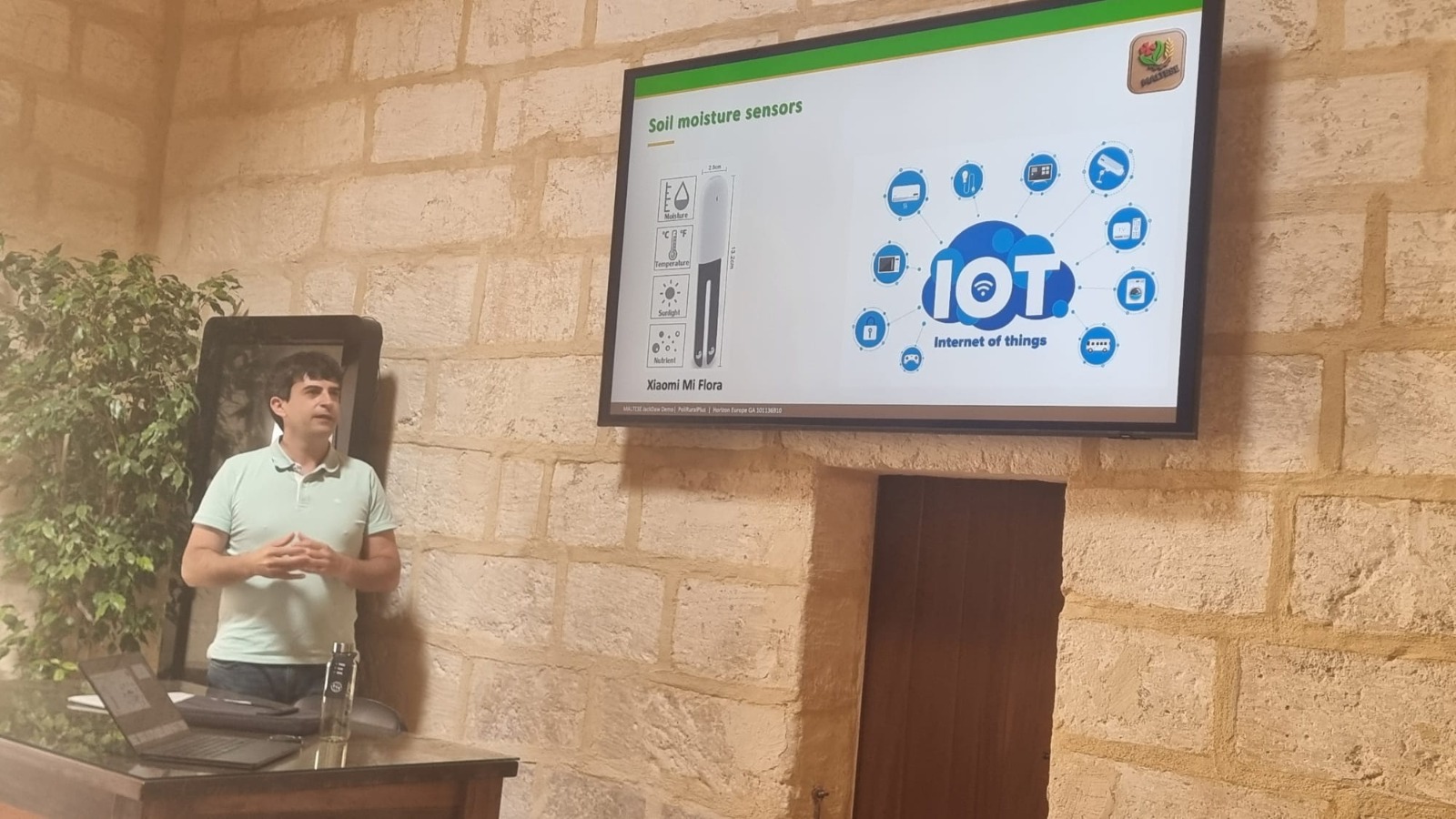
The project combines several types of data. Spatial soil data from Malta’s Environment and Resources Authority is queried through a user-drawn area of interest. Moisture information is supplied through timestamped sensor data, and the planned architecture supports MQTT transmission of soil moisture, temperature and light readings. A Natura 2000 and protected-sites layer adds environmental context. Funding data is organised into structured records with links and deadline logic. Map Whiteboard imports GeoJSON layers for sensor-equipped fields and soil categories, while the E-Market records products, customers and orders.

This combination of geospatial, sensor, administrative and marketplace data positions MALTESE as more than a separate AI demonstration. It shows how the PoliRuralPlus ecosystem can connect territorial knowledge, user interaction and local economic activity.

Further work should establish common schemas, metadata and anonymisation rules so that data from mapping sessions, chatbot use and marketplace activity can contribute safely to the PoliRuralPlus knowledge base. Aggregated interaction patterns could identify common information needs, mapping layers could support foresight, and marketplace data could show producer participation and rural-urban demand. Consent and data minimisation remain essential where farm locations or business activity are sensitive.

3. Replication potential and scalability

MALTESE’s replication case rests on modularity. The prototype uses widely adopted components and formats: a Next.js and TypeScript interface, Python MCP server, OAuth2, Leaflet, GeoJSON, CSV sensor inputs, MQTT and a PrestaShop e-market. Another region can replace Maltese datasets, language, funding sources and marketplace content without redesigning the entire system.

The strongest targets are small islands, peri-urban agricultural regions and territories with fragmented farms or weak producer-city links. A region could start with one module, such as a location-aware funding assistant, then add mapping, sensors or e-commerce as local capacity grows. This staged route limits cost and risk.

There is practical evidence of transferability. MALTESE converted a Czech e-market implementation into an English-language Maltese version, imported national GeoJSON data into JackDaw and Map Whiteboard, and replaced developer-led GeoAI setup with browser-based access.

Longer-term evidence is still needed on transaction volume, repeat usage, uptime, cost per user and sustained adoption. A credible replication package should include deployment instructions, architecture and API documentation, data templates, localisation guidance, training resources, risk controls and a monitoring framework. Scaling means dependable reuse in another context, not copying software and leaving local institutions to untangle it.

4. New European Bauhaus principles in practice

MALTESE aligns with the New European Bauhaus through sustainability, inclusion and aesthetics, expressed mainly through service design and community use.

Sustainability

Sustainability is reflected in the link between environmental data and practical decisions. Soil and moisture information can support more efficient irrigation, while protected-area data can alert users to environmental constraints. The E-Market supports shorter supply chains and direct producer-consumer links. Training also covered compost exchange, reusable packaging, eco-labelling and circular agri-business.

Future evaluation should measure water savings, avoided waste, transaction distances and adoption of circular practices. These indicators would provide stronger evidence of environmental impact beyond technical delivery.

Inclusion

Inclusion shaped the interface and engagement process. Removing individual account setup and manual server configuration lowers an access barrier. The interface is mobile-responsive and designed for Maltese and English use.

Training, mentoring, community mapping and pitching engaged farmers, youth, entrepreneurs and educators as contributors. Accessibility testing, plain-language content and assisted onboarding should continue, especially for digitally underserved users.

Aesthetics

Aesthetics in MALTESE is functional. The branded interface, map-and-chat layout, formatted answers and mobile tabs make complex services easier to understand. Map Whiteboard adds a visual, participatory layer in which communities can annotate places, compare information and discuss priorities.

The result is a clearer and more engaging experience of rural planning. The strongest aesthetic contribution is not decorative design. It is the transformation of complex agricultural and territorial data into an interface that users can interpret and navigate.

MALTESE’s New European Bauhaus contribution lies in making data-intensive tools easier to access, linking environmental responsibility with local opportunity, and giving communities a visual space in which to understand and shape change.

Key takeaways

  • User adoption depends on removing technical friction, not only improving algorithms.
  • Local geospatial, sensor, funding and market data make GeoAI useful for real decisions.
  • MALTESE fits PoliRuralPlus through interoperable tools, OAuth2 and MCP-based services.
  • Modular architecture supports replication in islands and peri-urban rural regions.
  • Training remains essential for turning digital information into action.
  • New European Bauhaus alignment is strongest in accessible design, participatory mapping, resource efficiency and local market links.

Funding acknowledgement

The project PoliRuralPlus has received funding from the European Union’s Horizon Europe research and innovation programme under grant agreement No 101136910.

Disclaimer

Views and opinions expressed are, however, those of the author or authors only and do not necessarily reflect those of the European Union or the European Research Executive Agency. Neither the European Union nor the granting authority can be held responsible for them.

Views: 9

MALTESE Final Event Highlights Rural Innovation in Malta

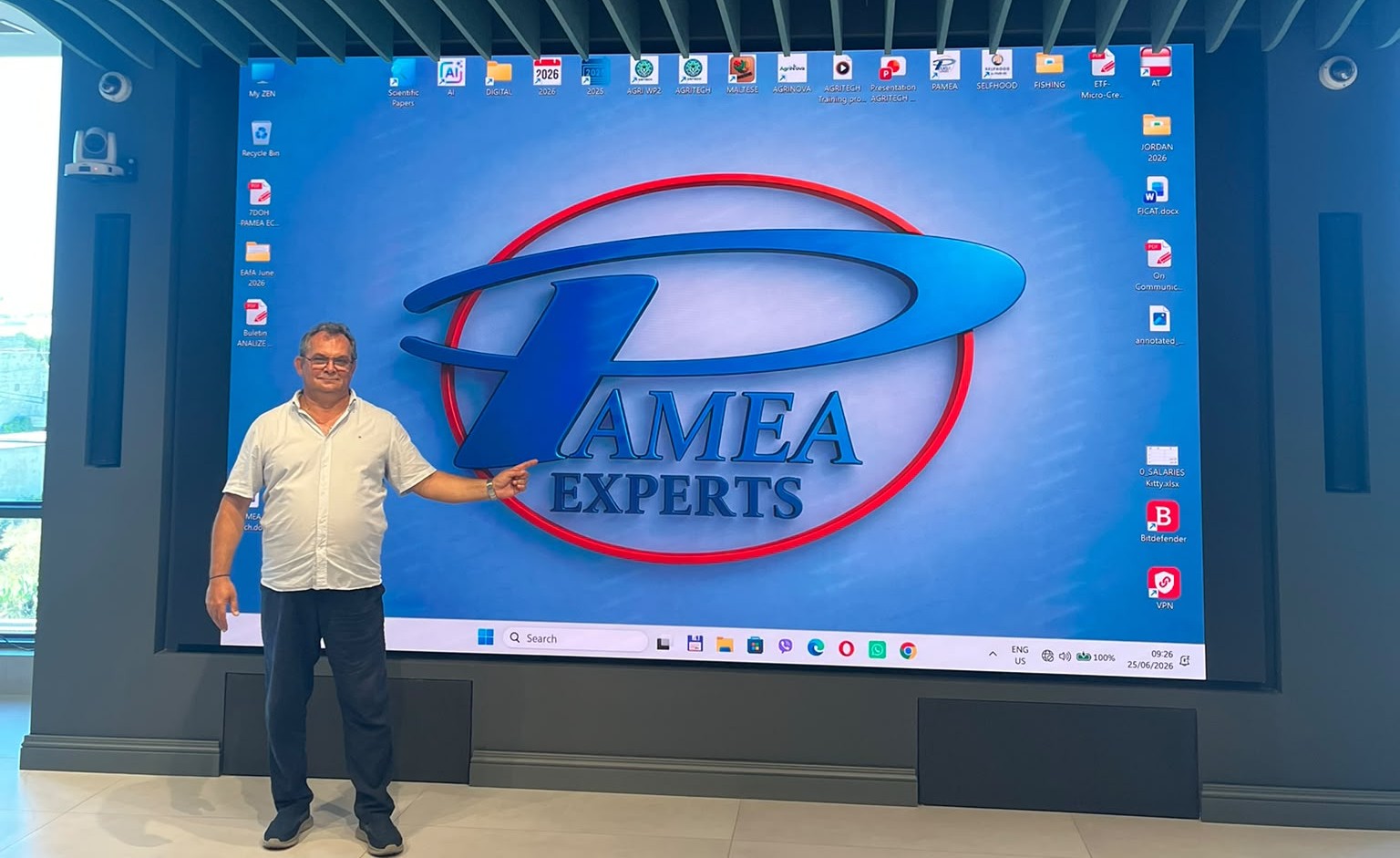
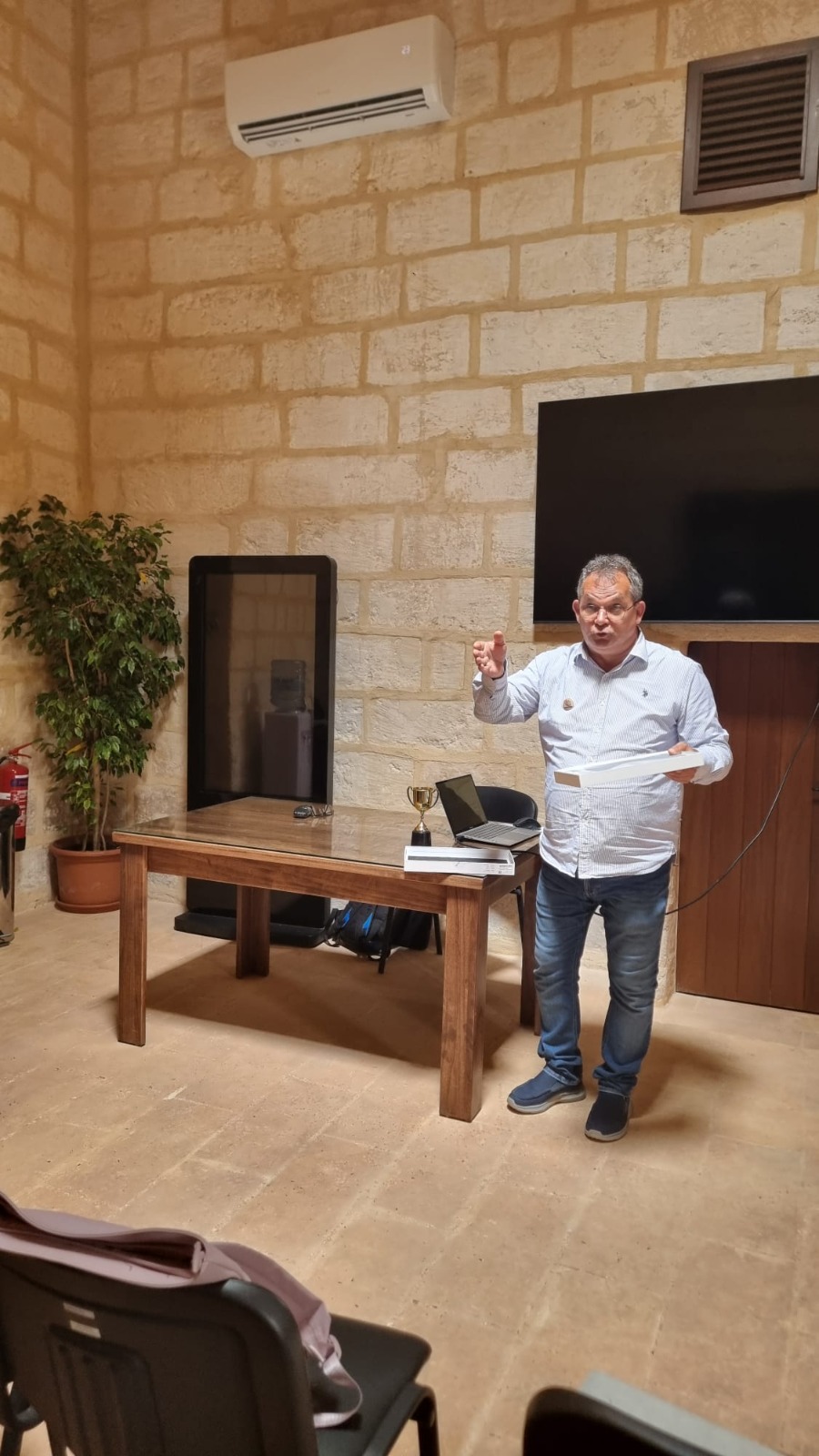
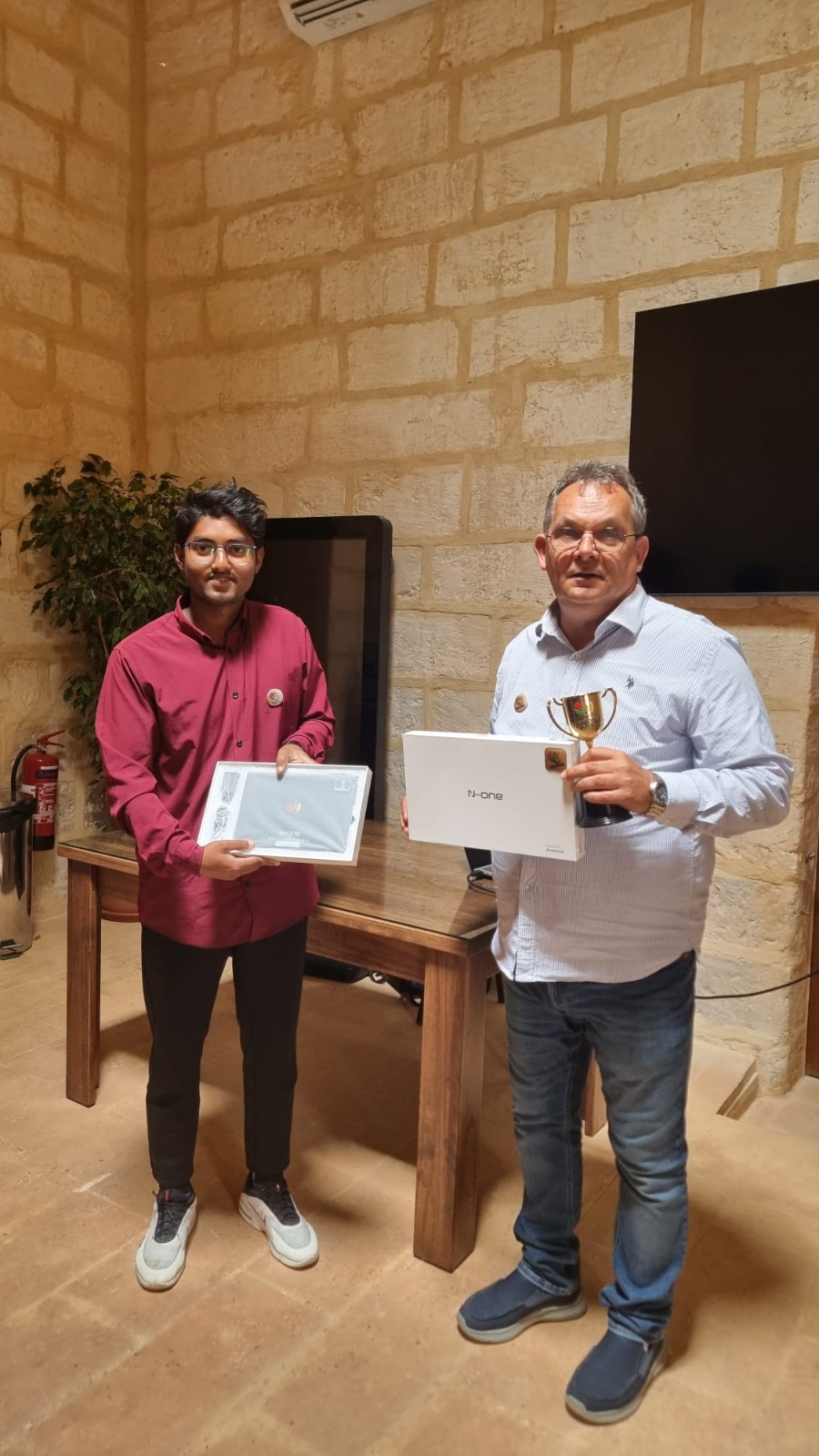
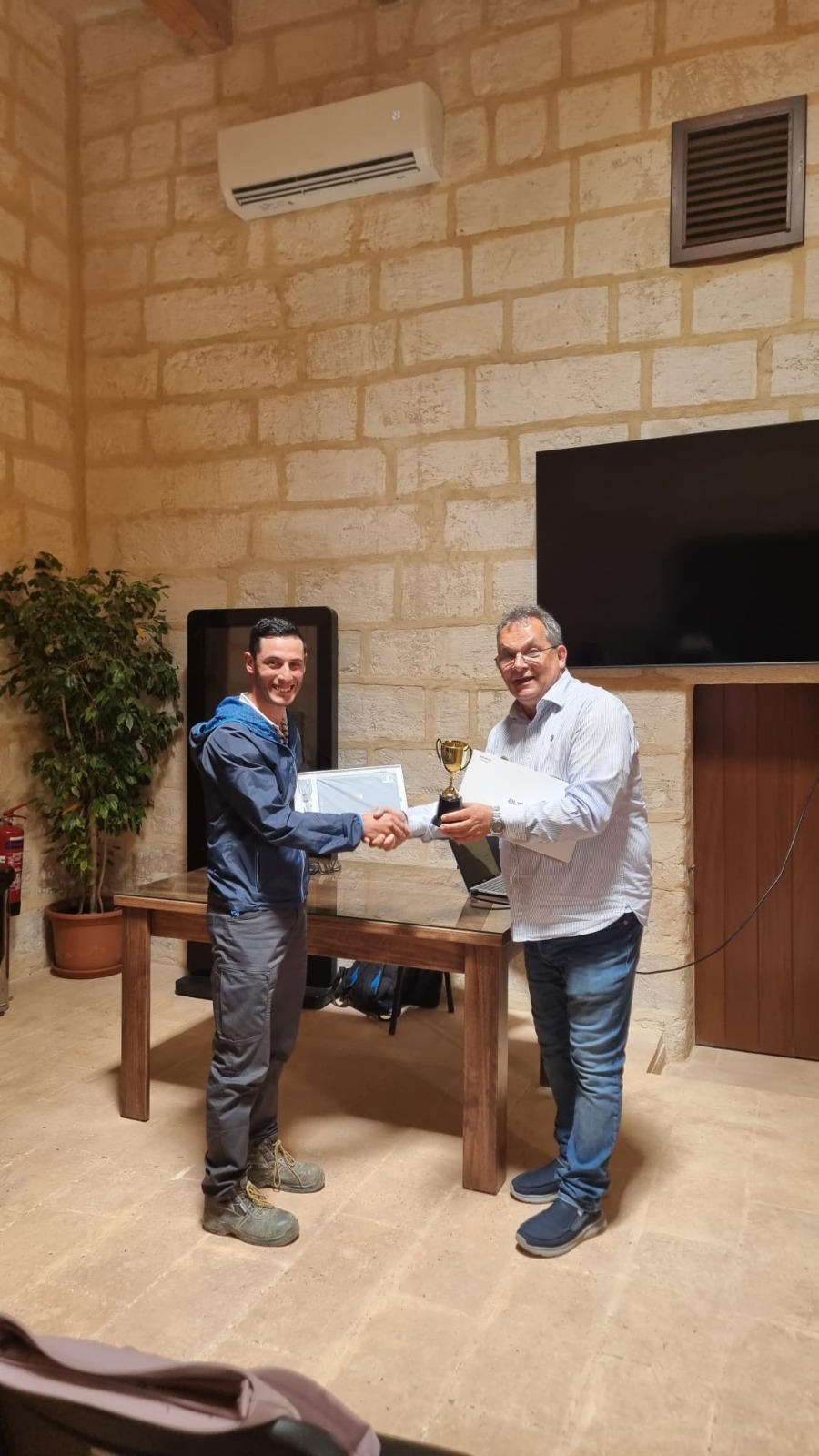
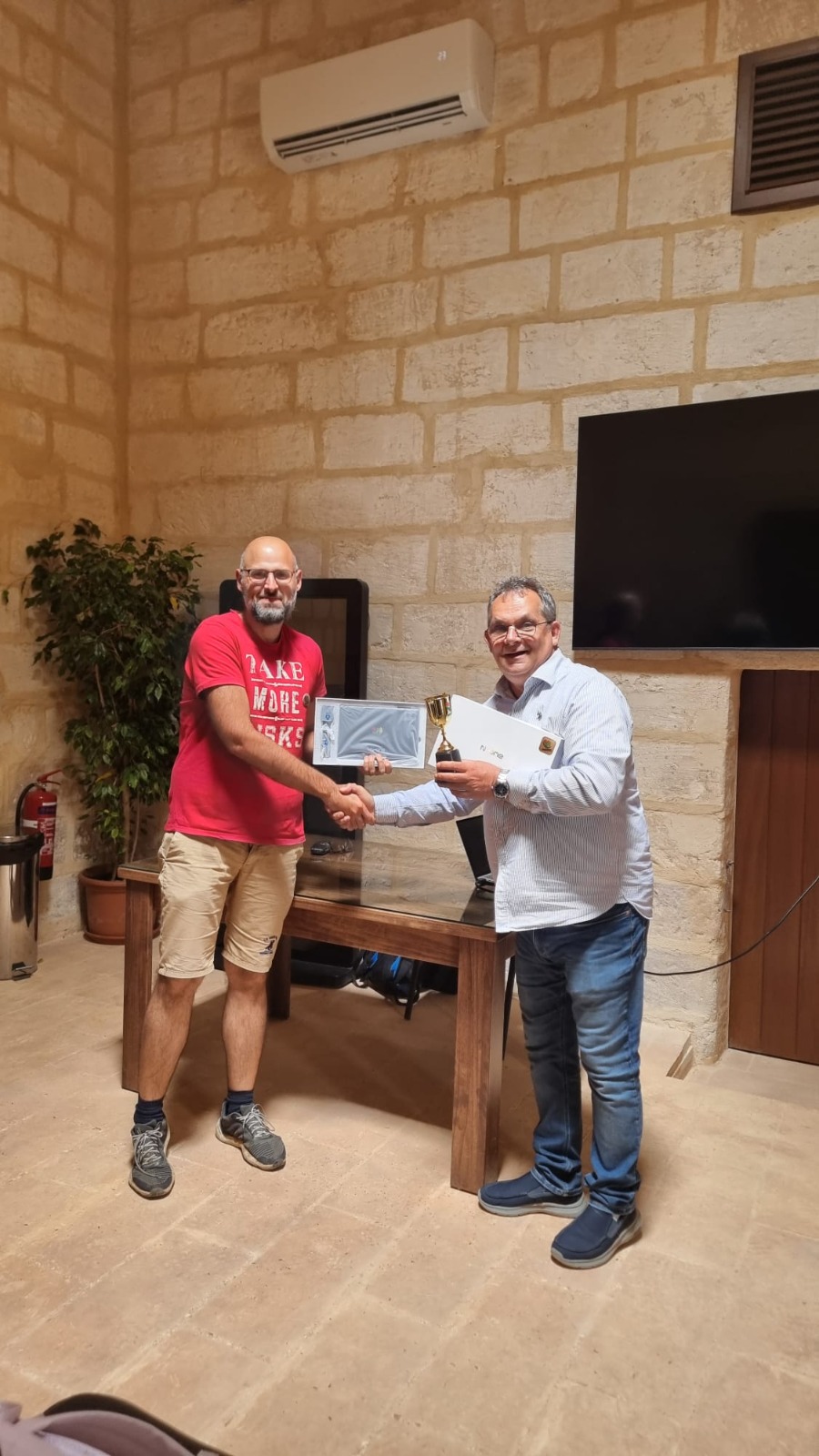
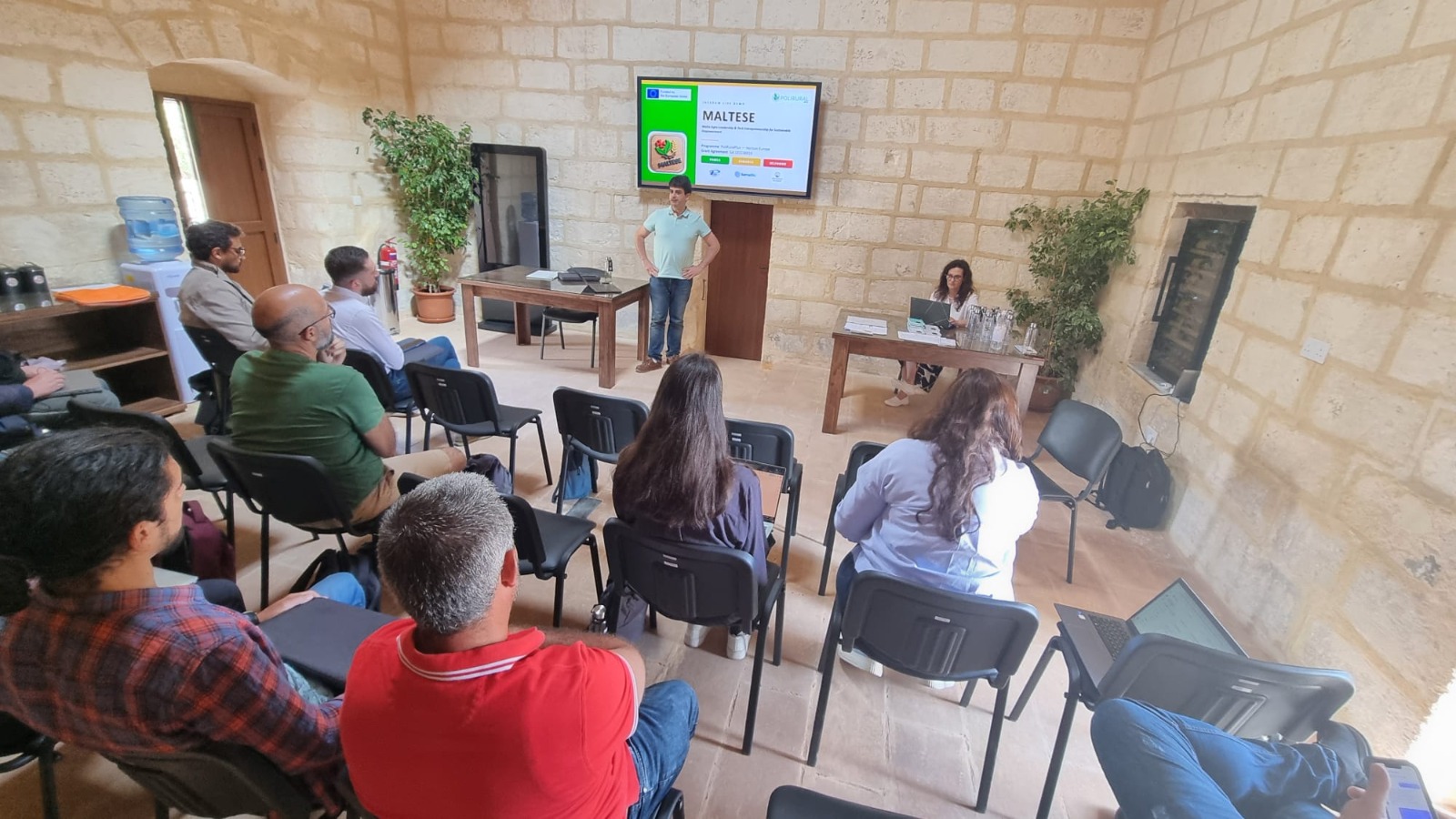
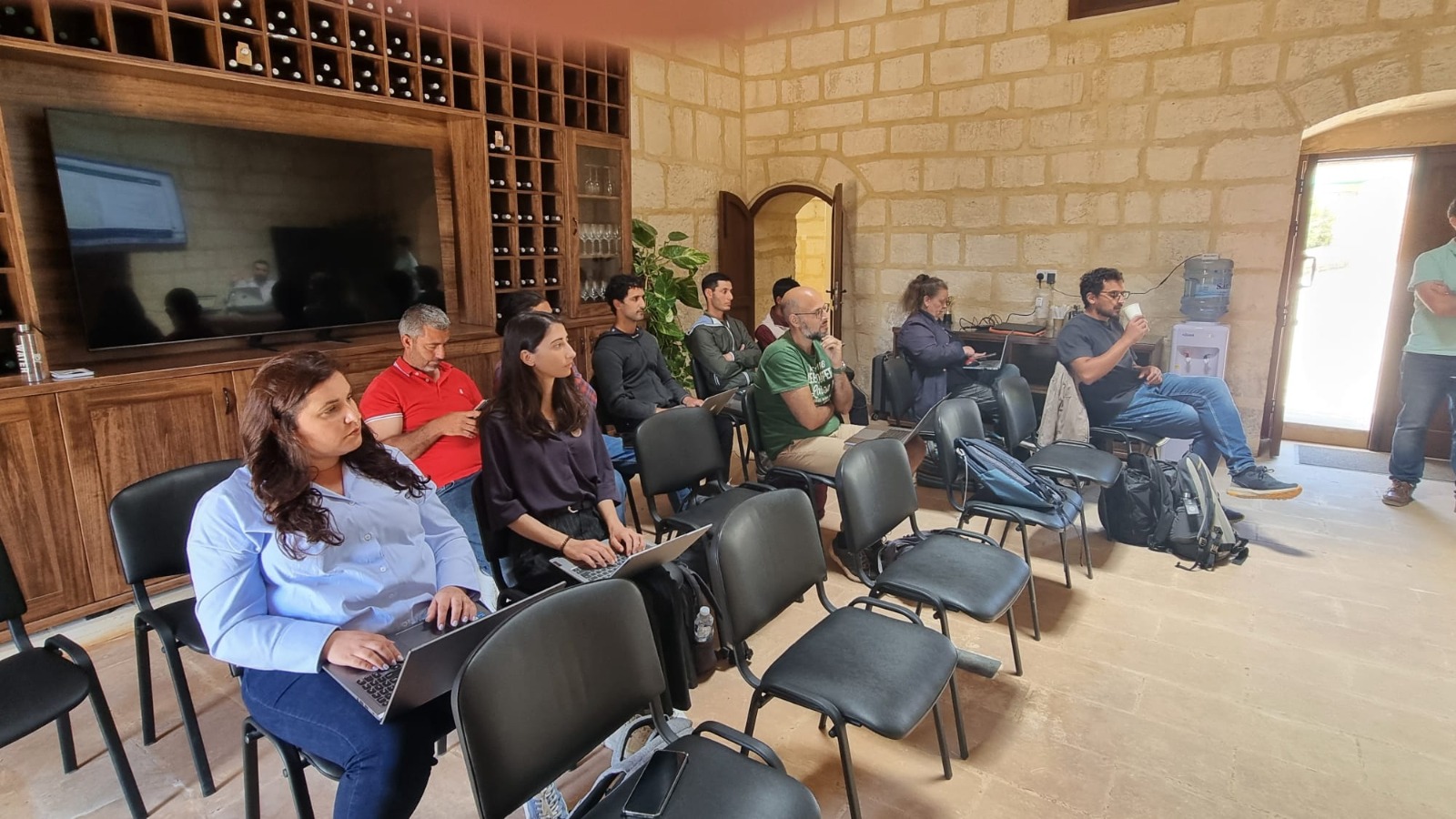
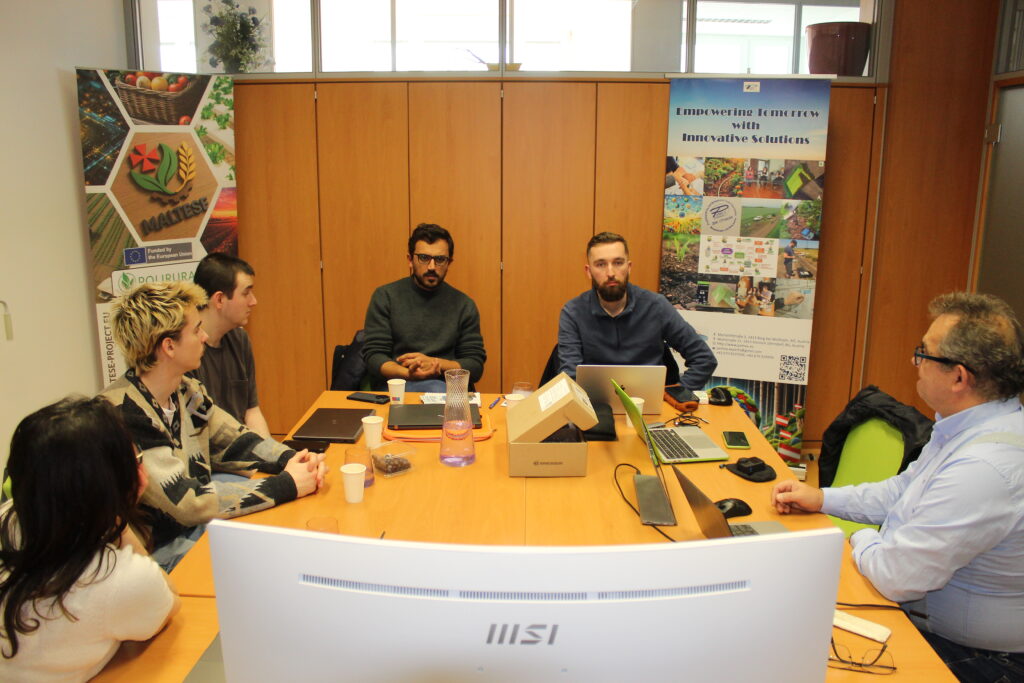
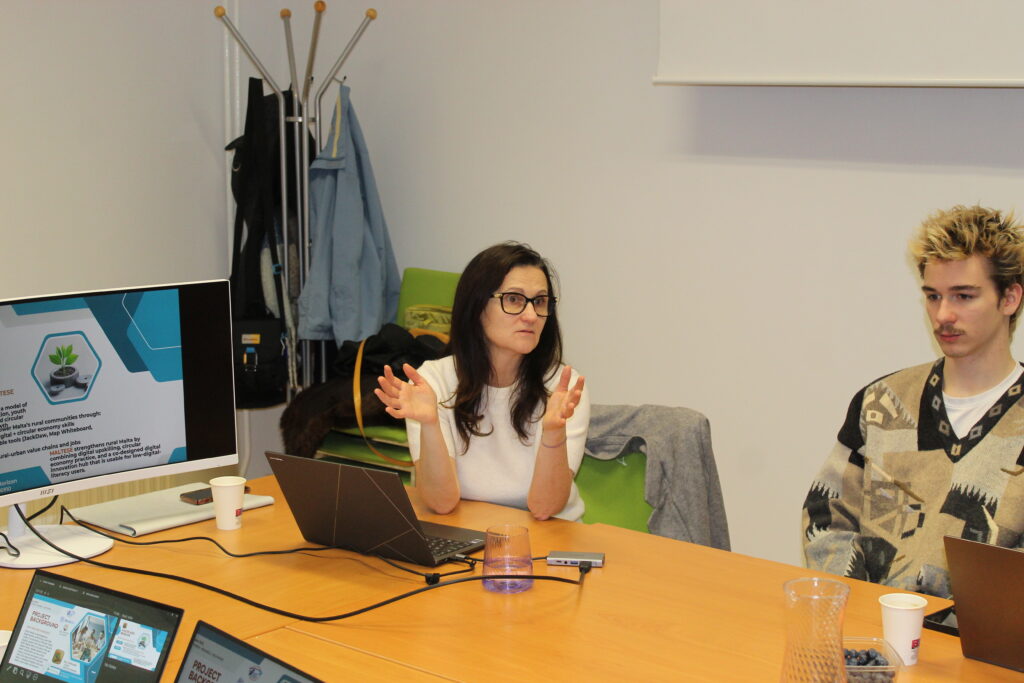
BIRKIRKARA, Malta – MALTESE consortium held its Final Dissemination Event on June 25, 2026, at the Malta Digital Innovation Authority – MDIA, bringing together project partners, participants and local stakeholders to present results and discuss the future of rural innovation in Malta.

Organised by PAMEA, SEMABLU and SELFHOOD, with support from AcrossLimits and collaboration with MDIA, the event focused on the main outcomes of the MALTESE project: digital tools, training and mentoring results, circular agri-business ideas, stakeholder engagement and rural-urban cooperation.

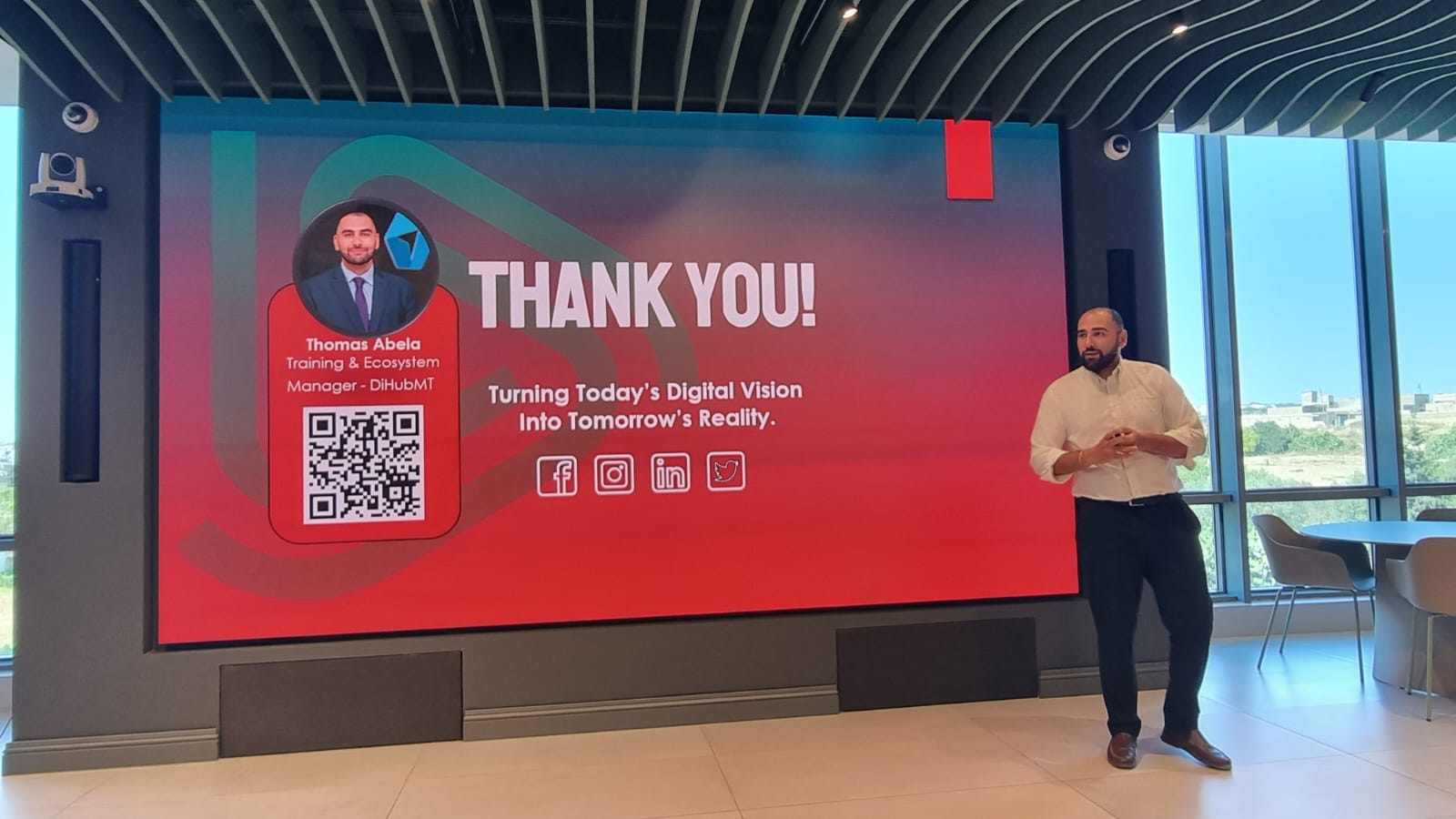
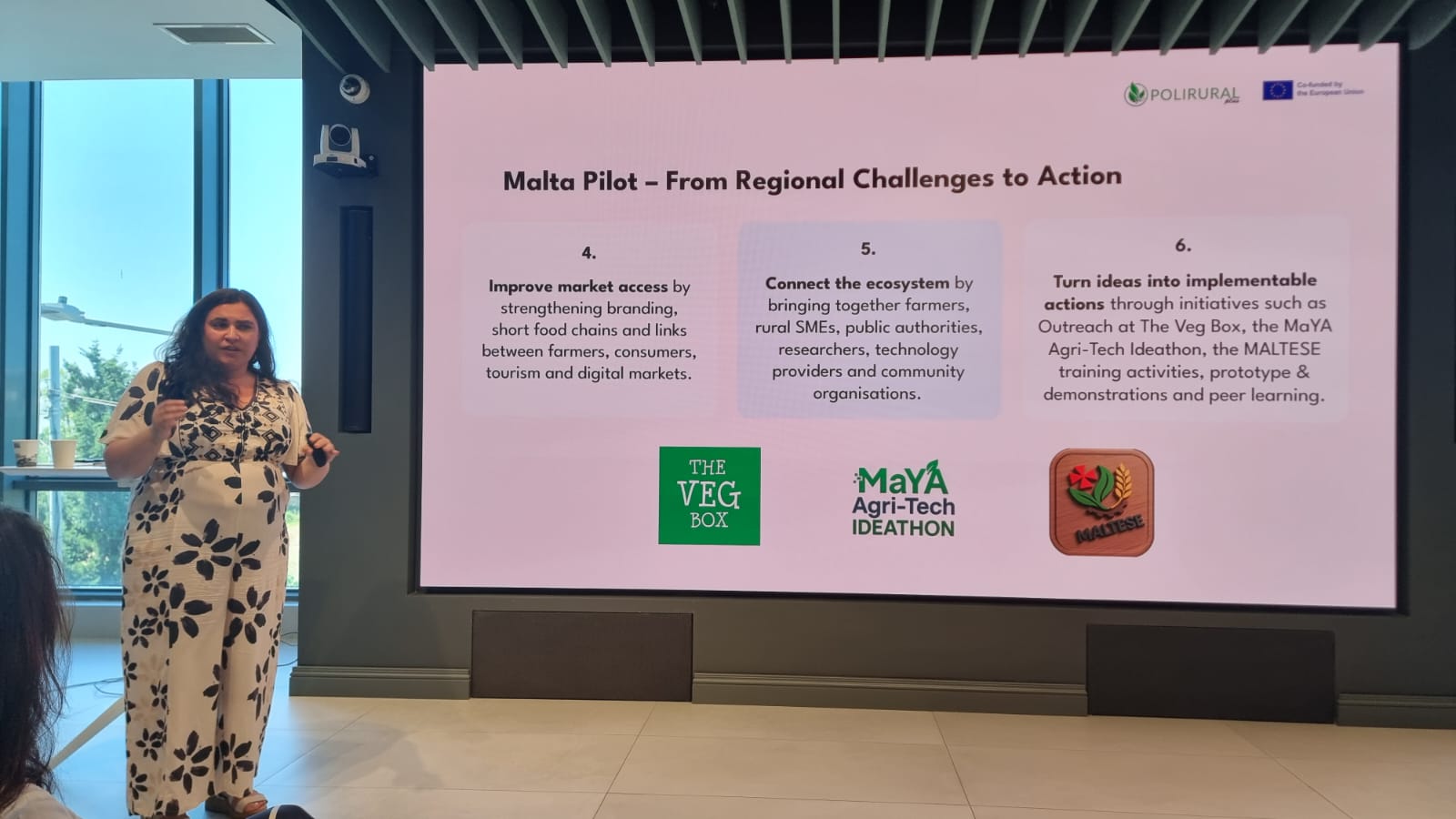
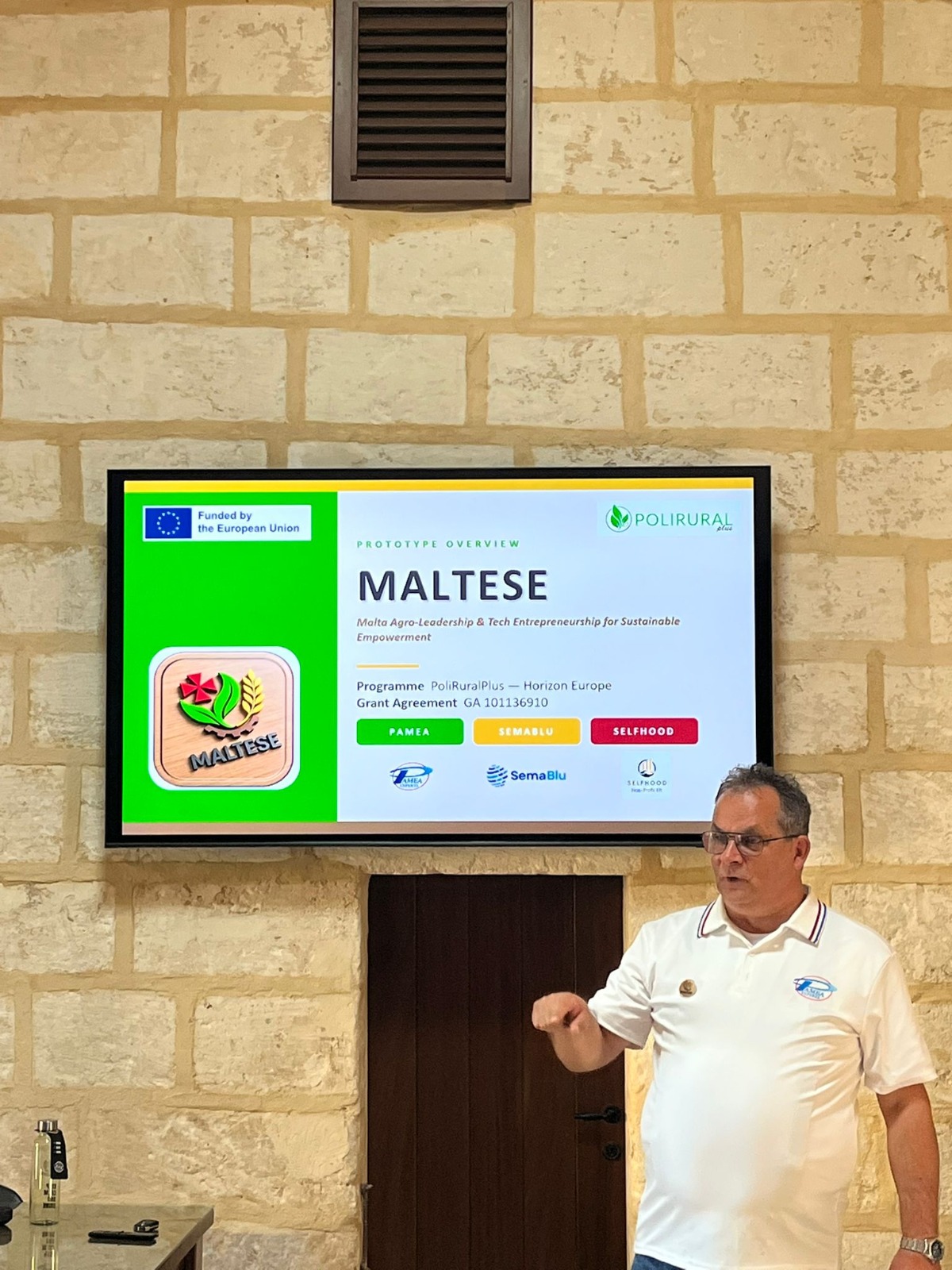
The event was opened by Dr. Eng. Daniel AMARIEI of PAMEA, MALTESE project coordinator, together with Thomas ABELA from MDIA. Maria Elena MUSCAT of AcrossLimits presented the wider PoliRuralPlus Malta pilot context and linked MALTESE to broader rural and digital innovation priorities. Then, Dr. AMARIEI presented the project’s main activities and results, showing how MALTESE combined digital innovation with capacity building, mentoring and practical support for farmers, young entrepreneurs and rural communities.

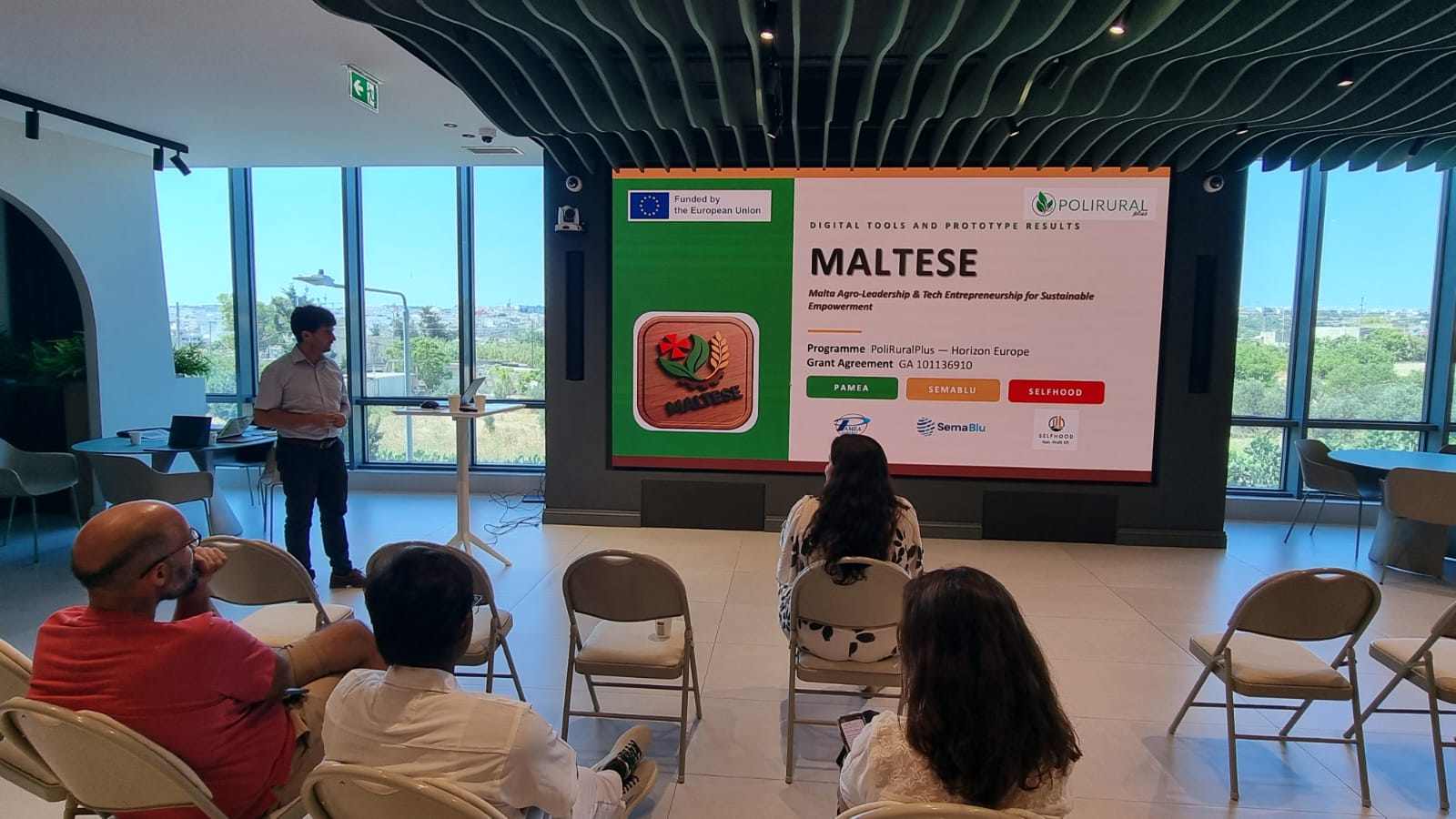
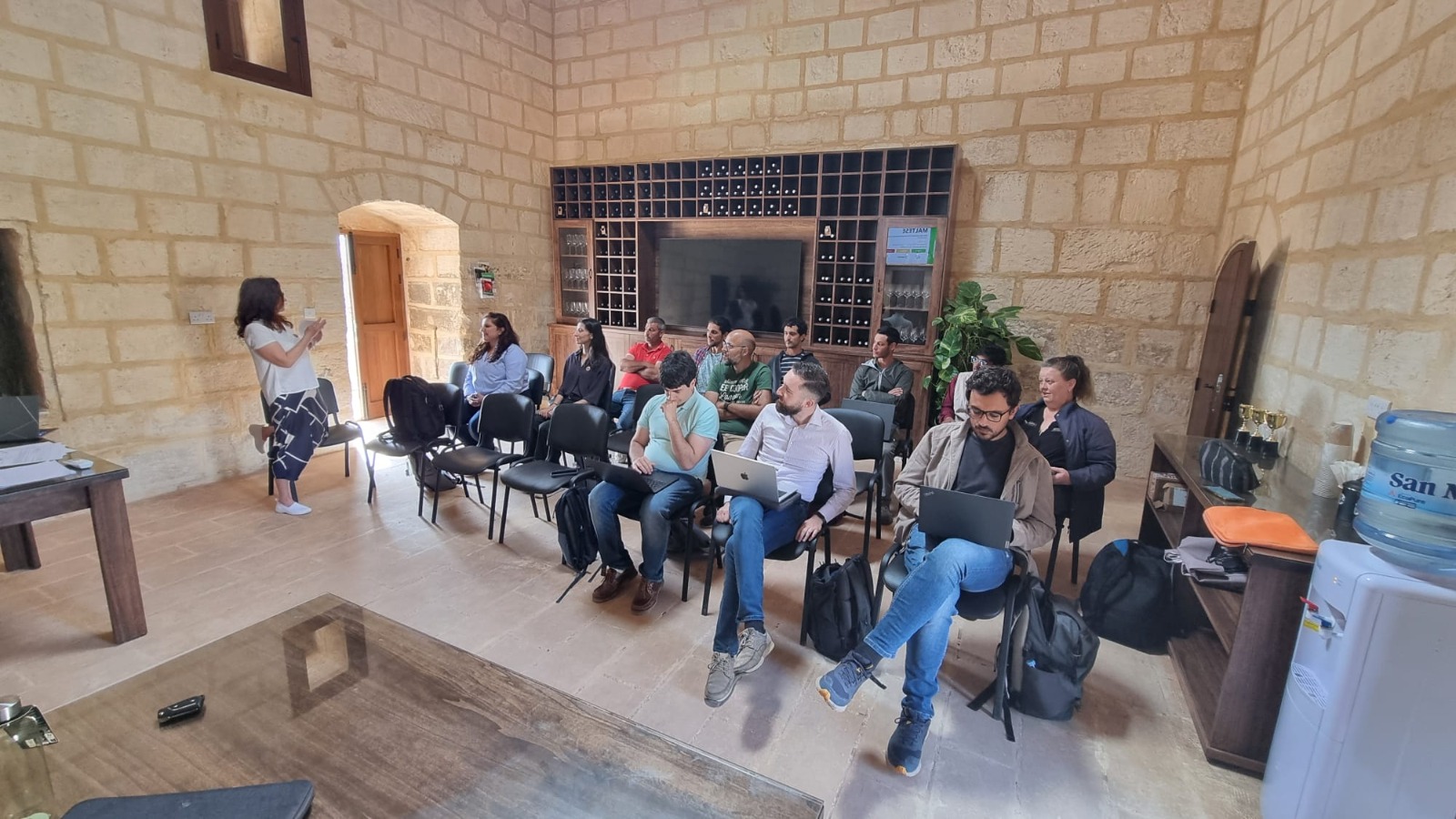
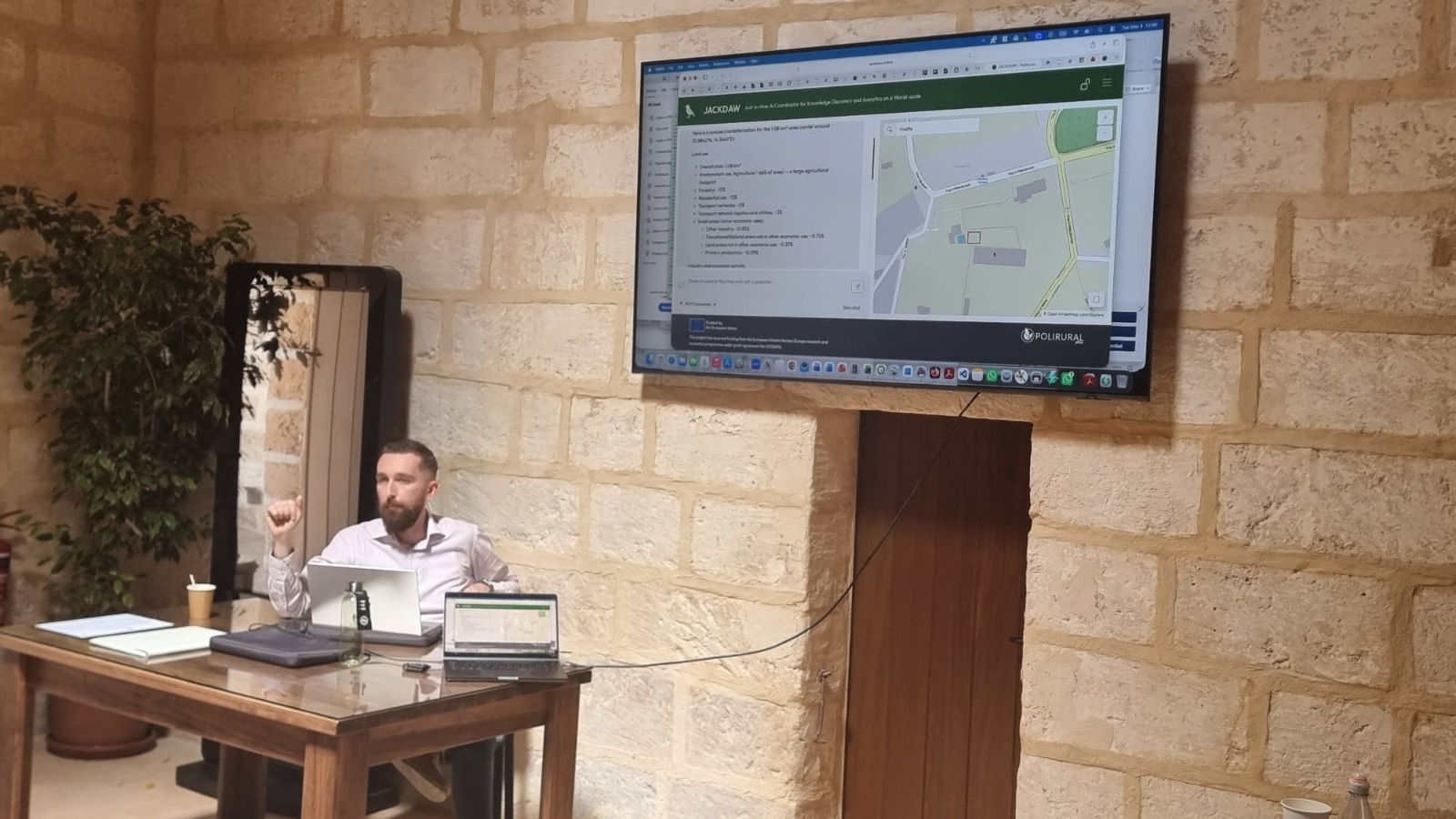
Gianluca VALENTINO of SEMABLU led the technical session, presenting a live demonstration of the MALTESE digital tools, including the JackDaw GeoAI Chatbot, Map Whiteboard, Rural-Urban E-Market and SMART irrigation-related outputs. The demonstration showed how local data, such as soil, moisture, protected-area and funding information, can support more accessible decision-making for rural users.

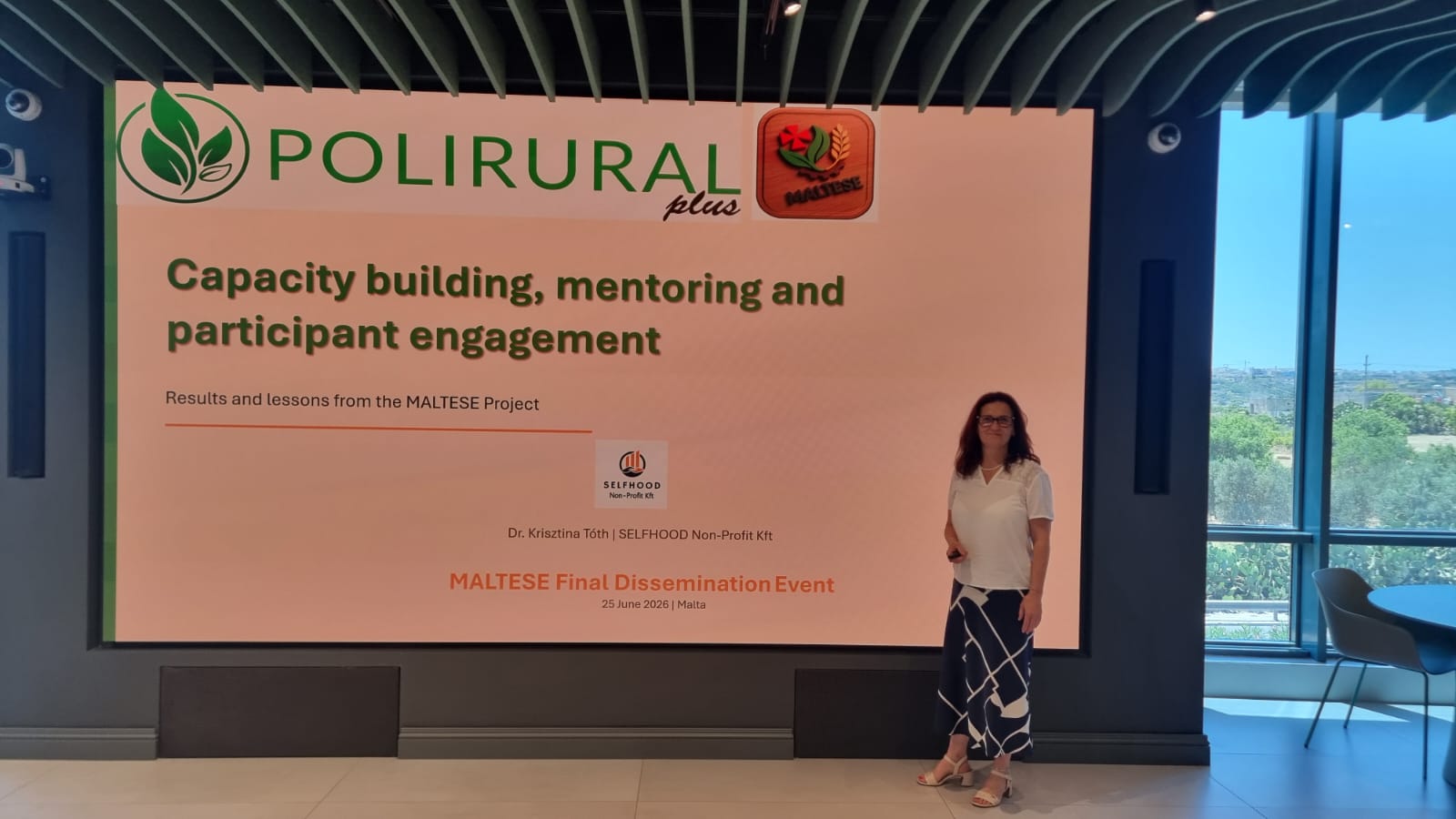
Dr. Krisztina TOTH of SELFHOOD presented the training and mentoring results from the Malta activities. The sessions included digital tool demonstrations, community mapping, circular economy exercises, business model development and pitching preparation.

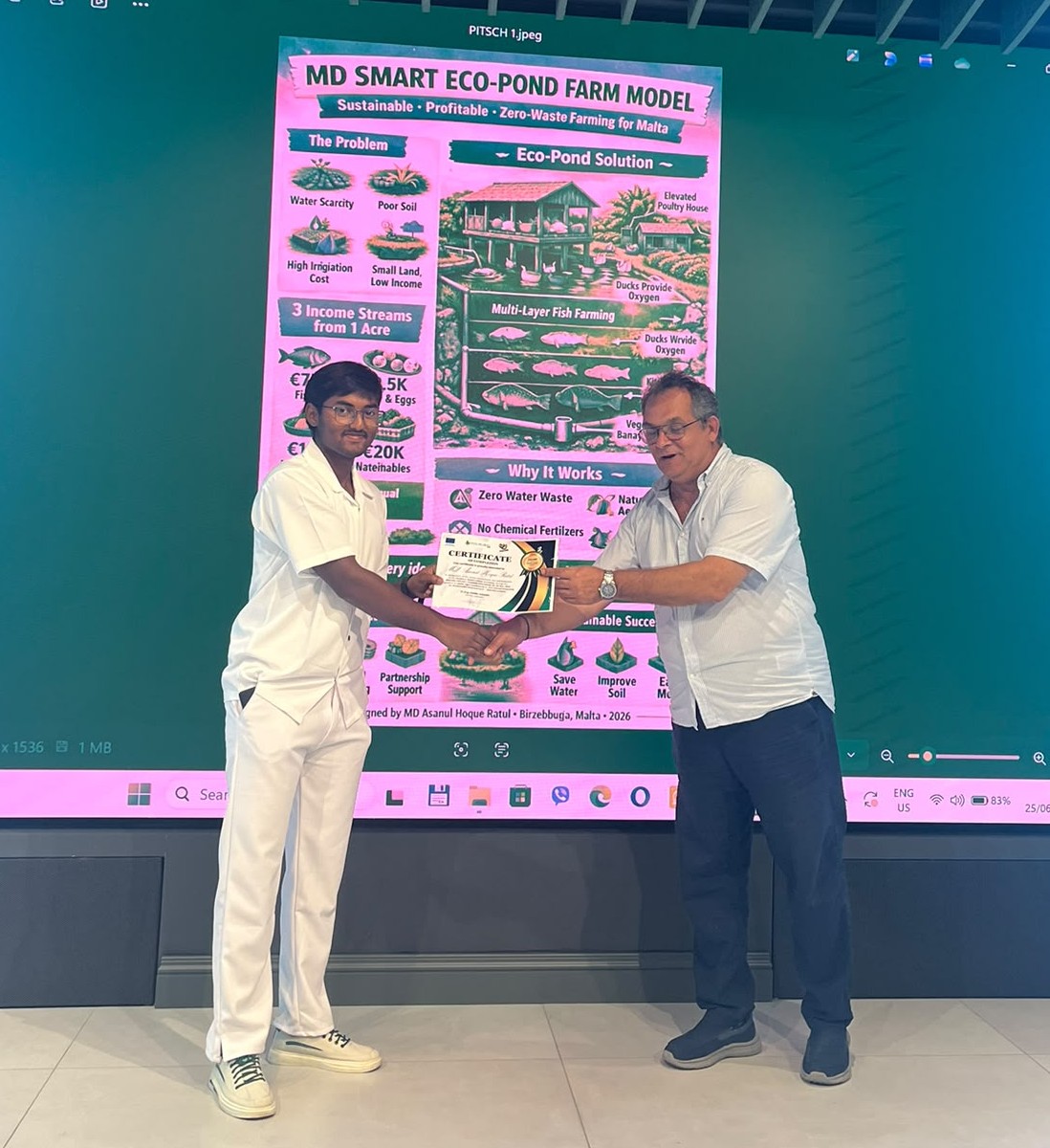
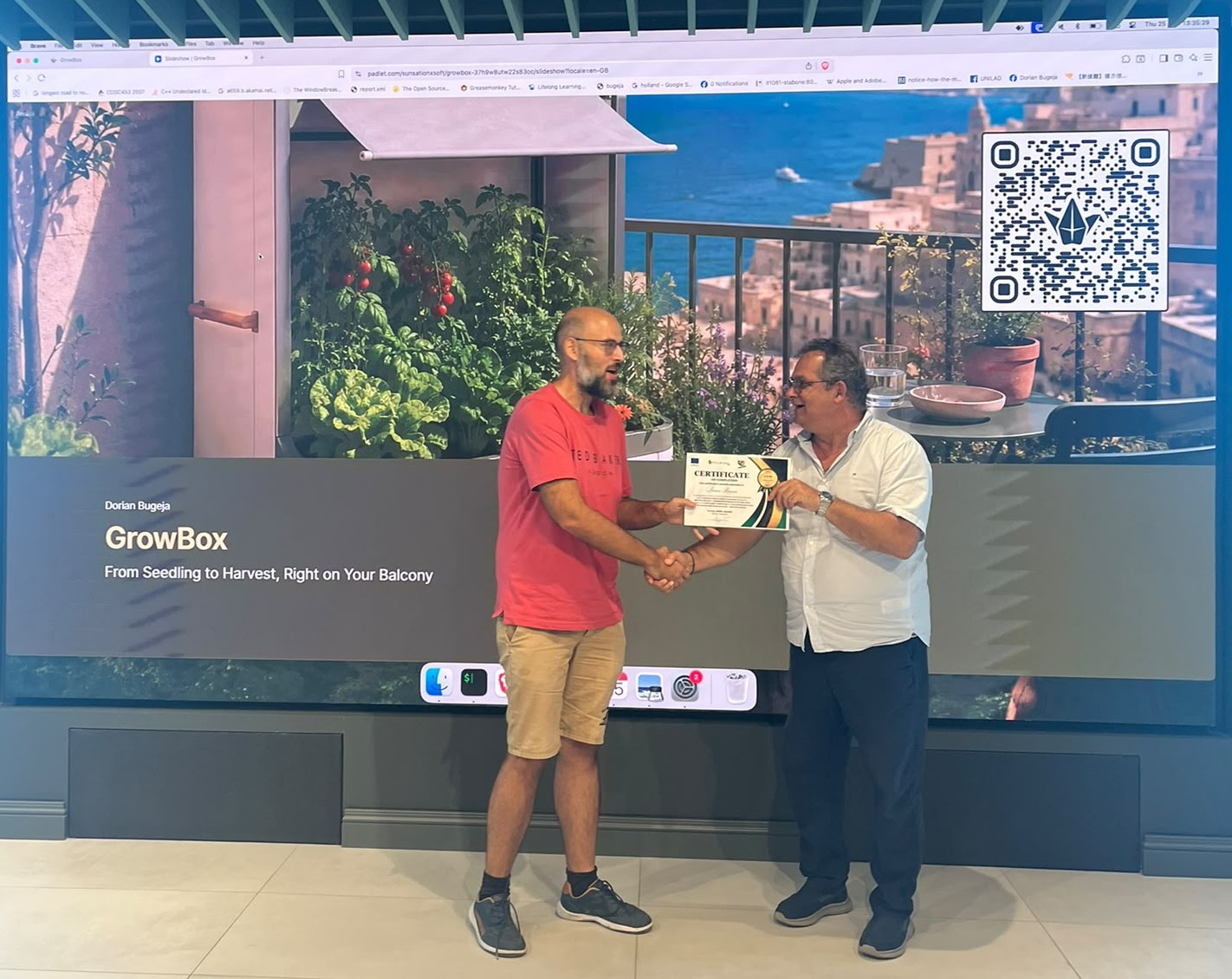
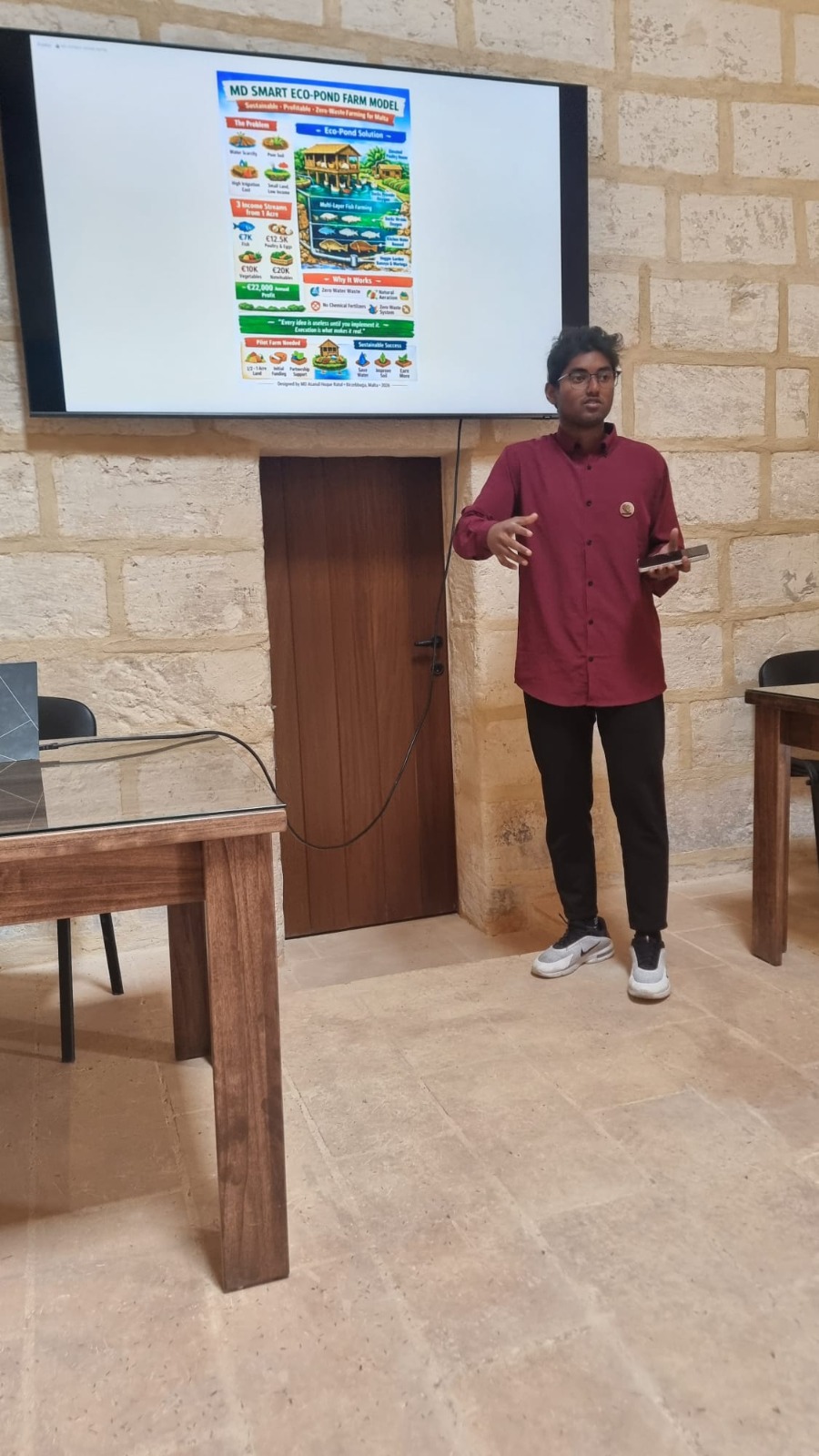
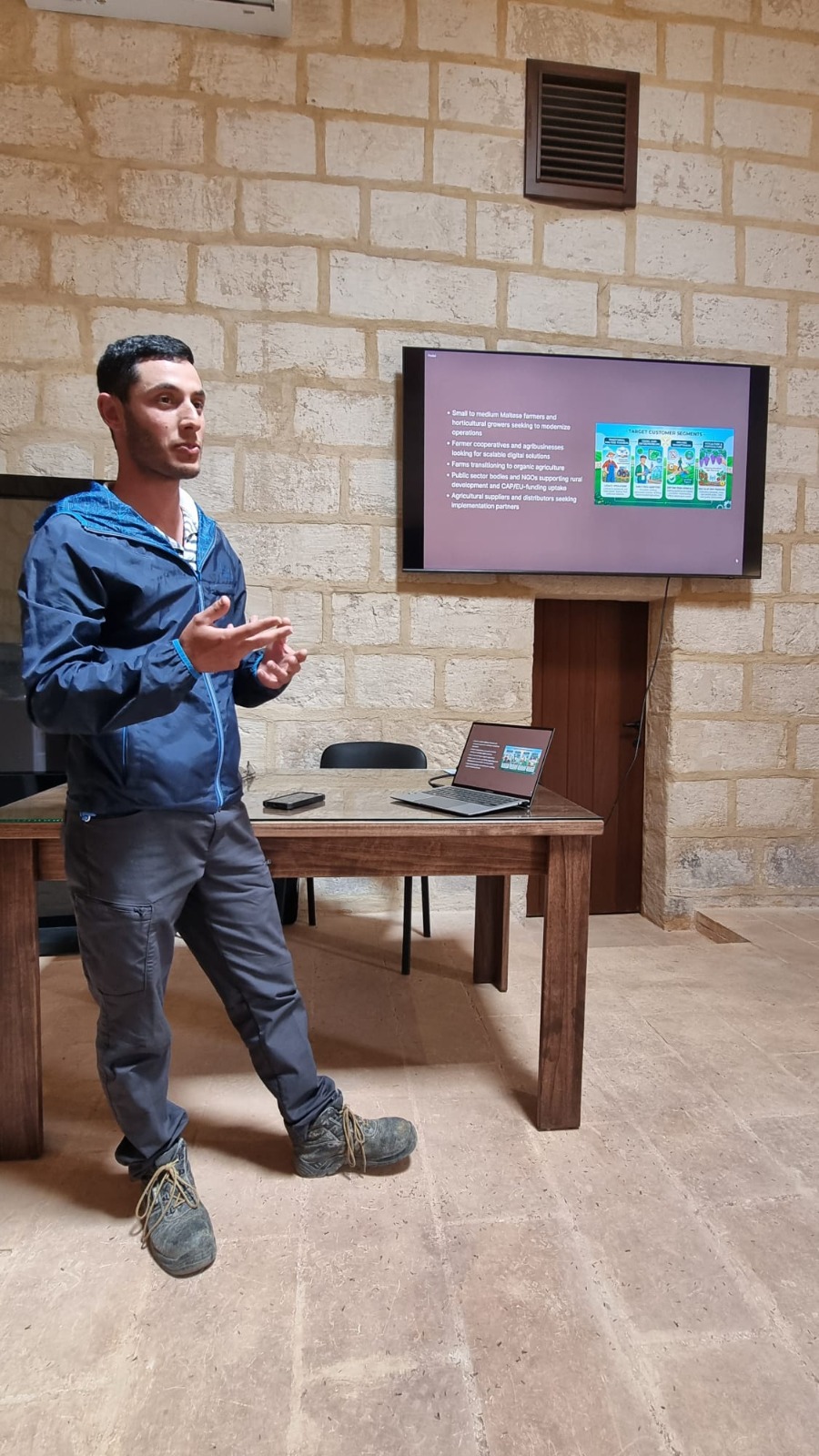
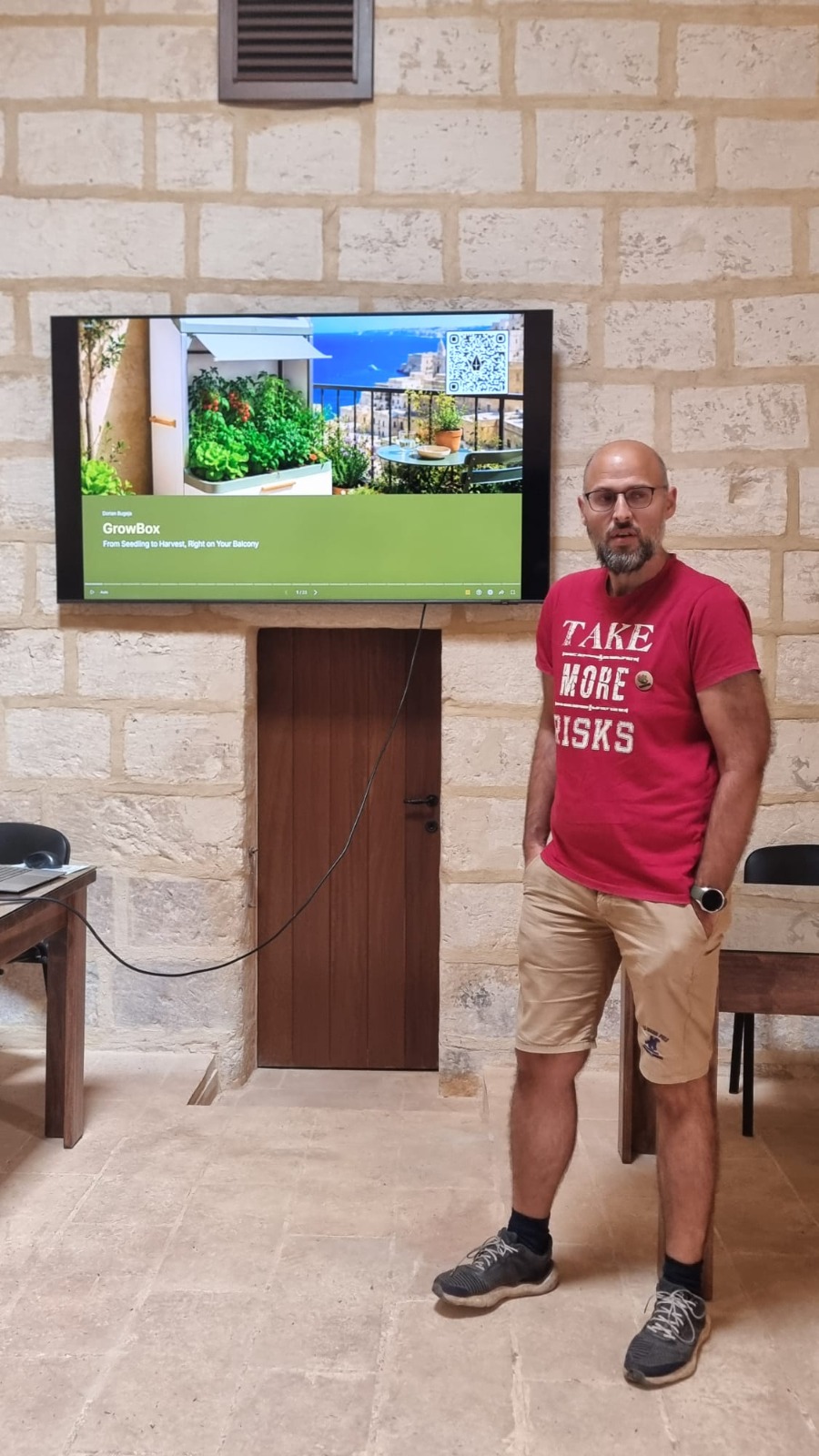
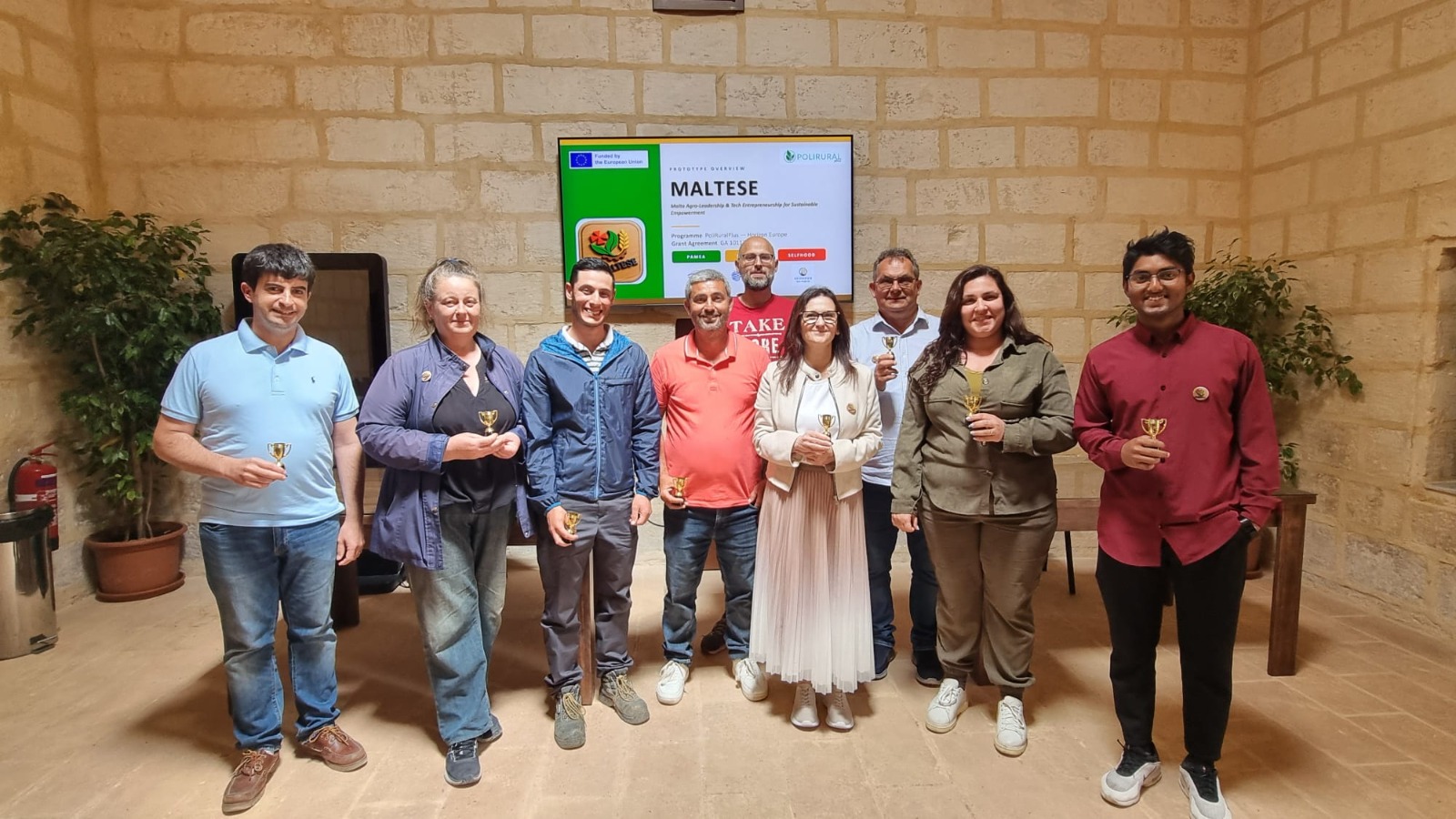
The event also featured short presentations from the MALTESE pitching winners. MD ASANUL HOQUE RATUL presented the MD SMART ECO-POND FARM MODEL, while DORIAN BUGEJA presented GROW BOX. JUSTIN CAMILLERI, the third selected pitching winner, was unable to attend because of illness and sent his apologies. Certificates were handed over during the event.

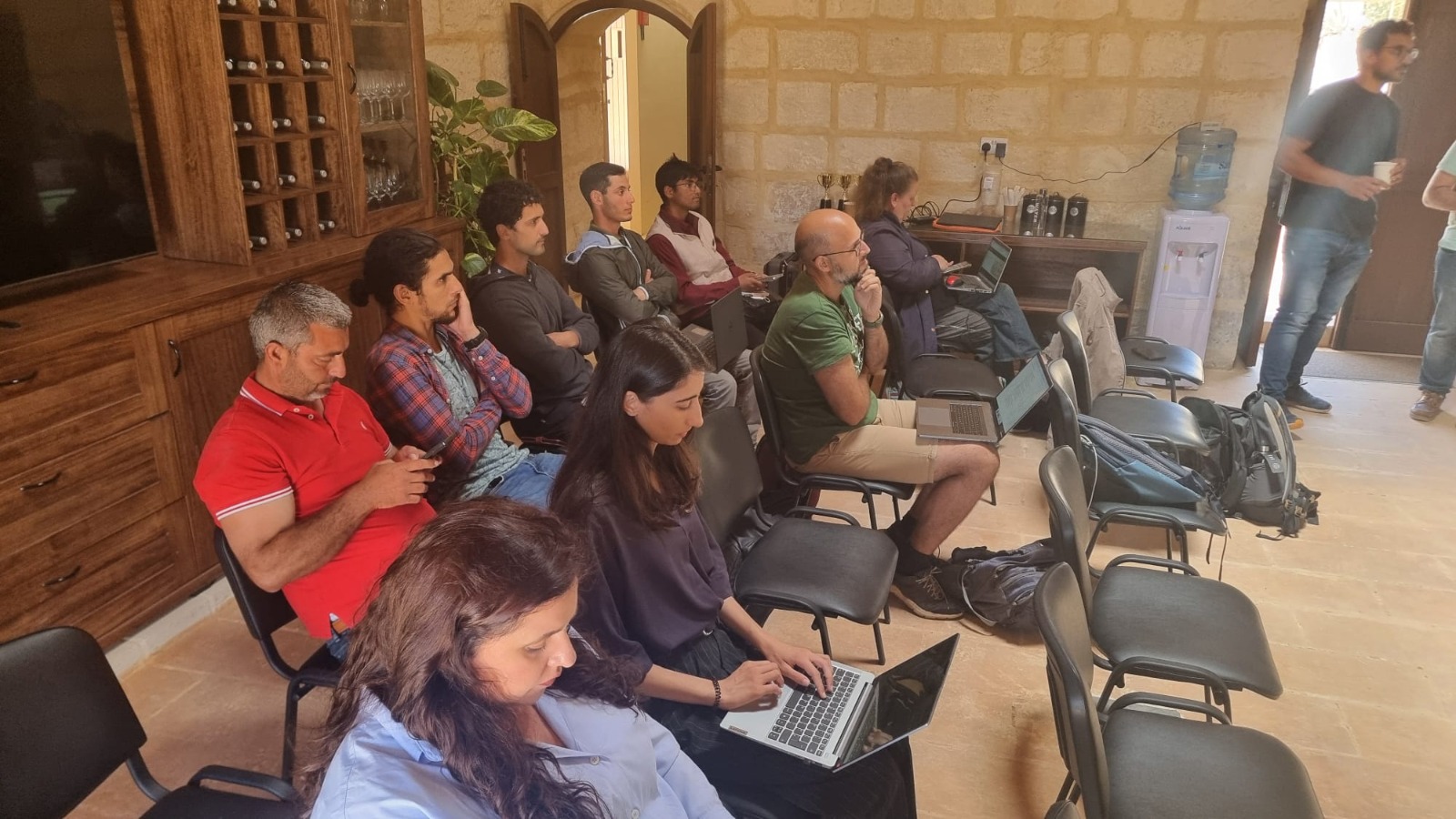
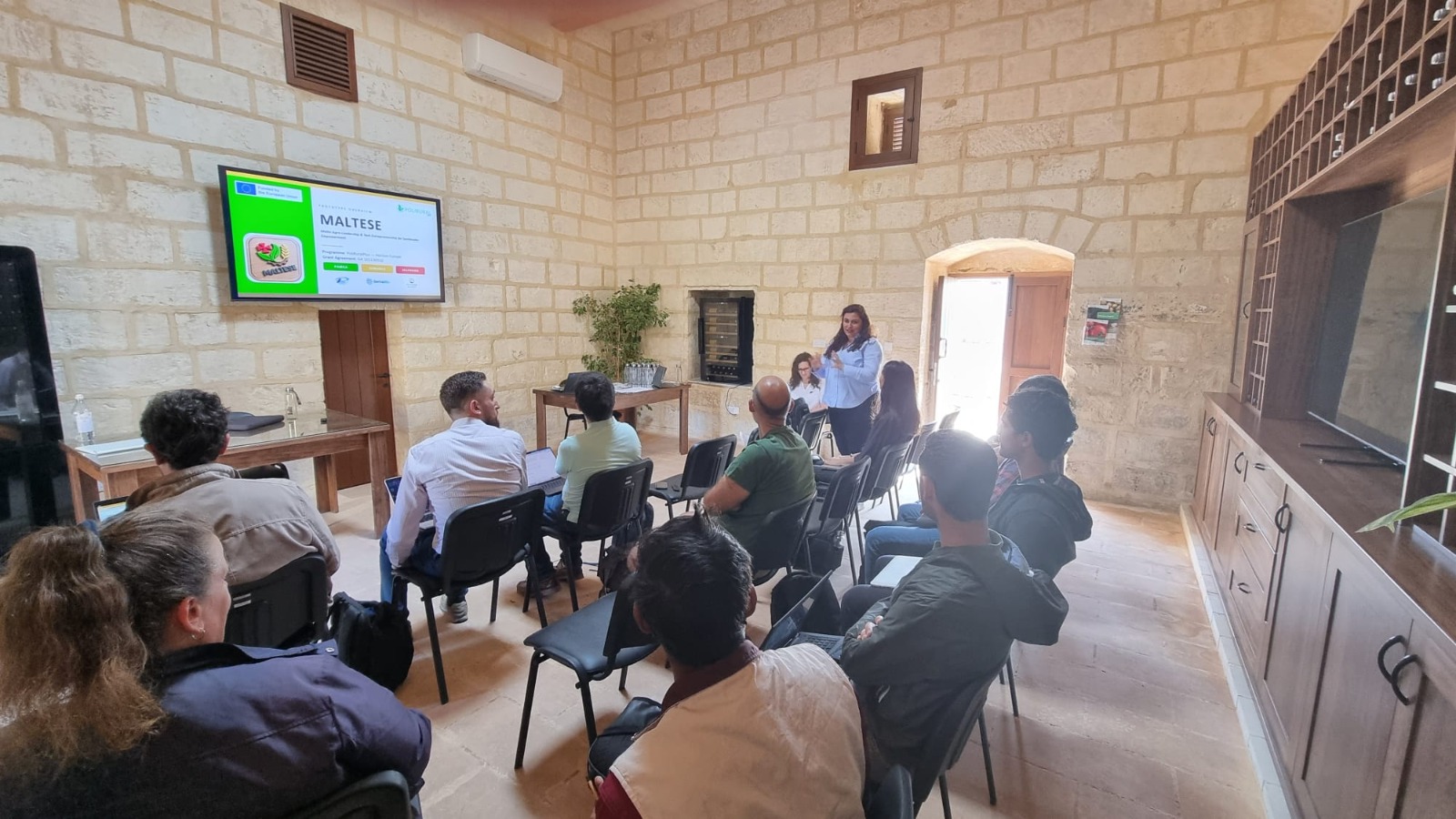
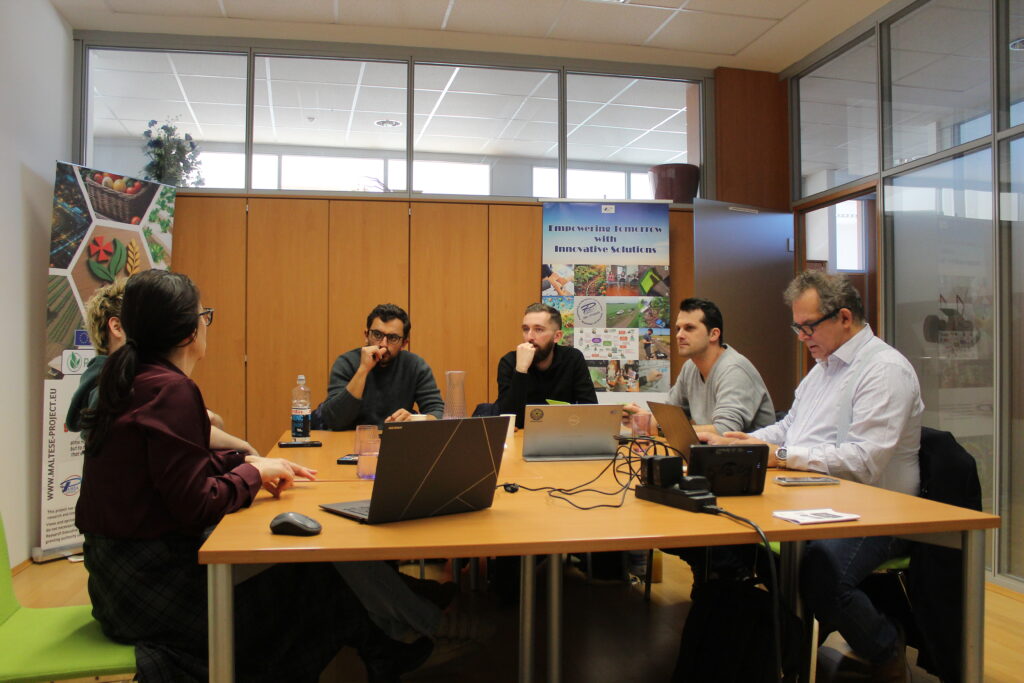
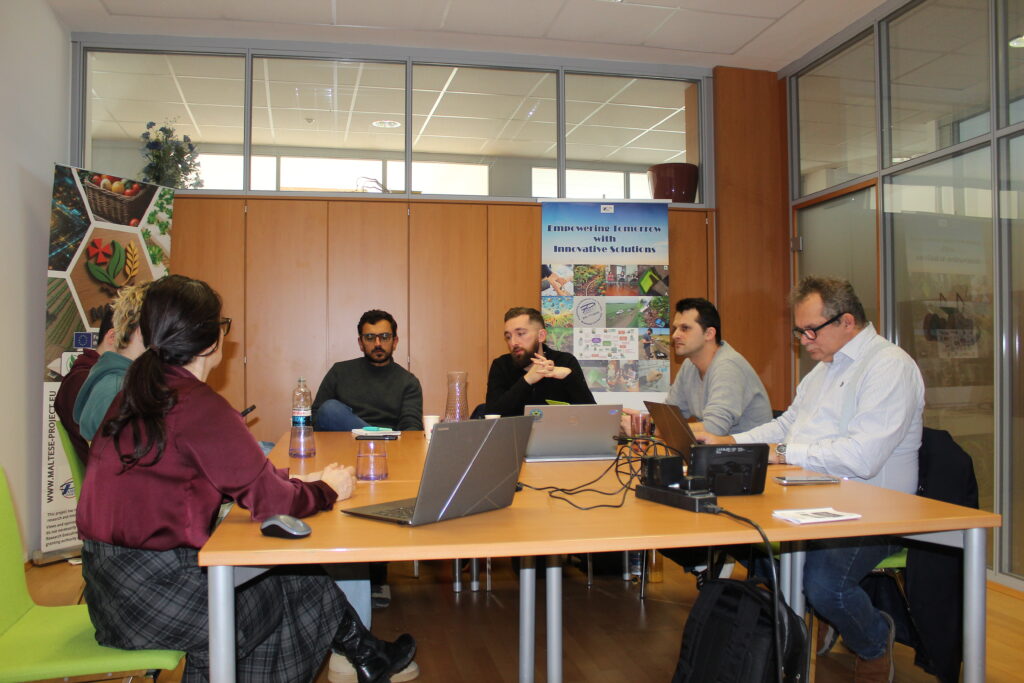
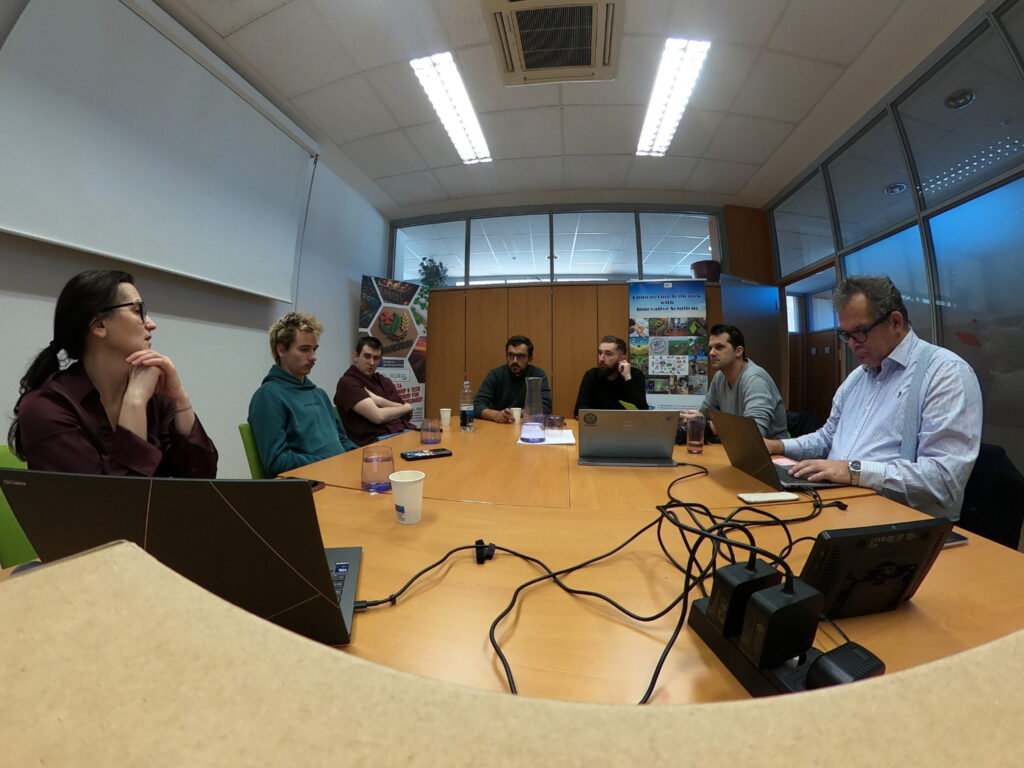
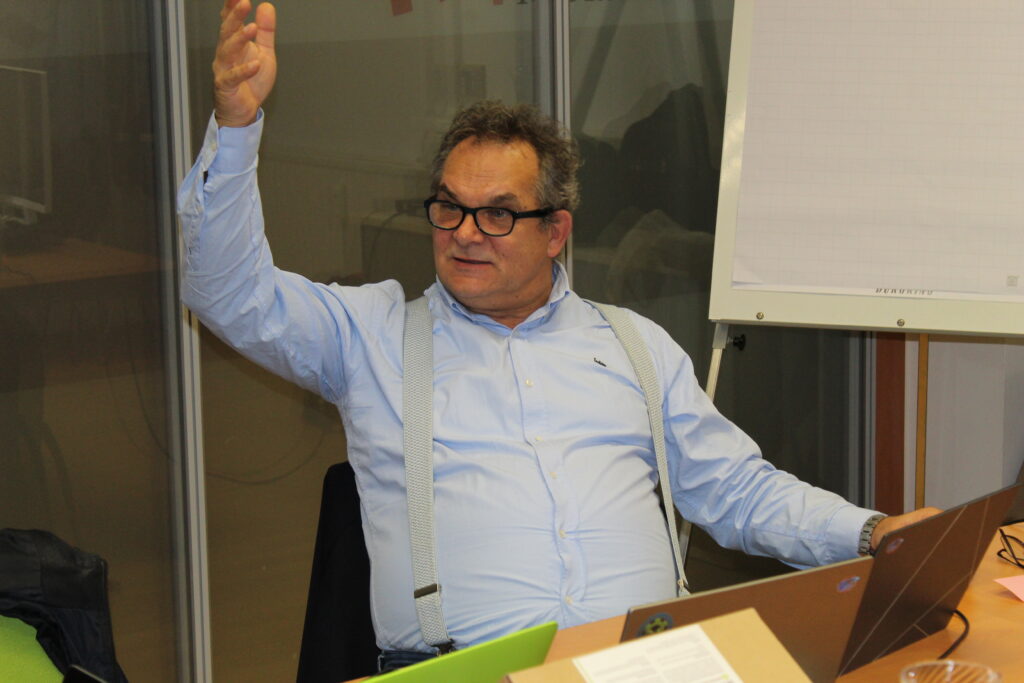
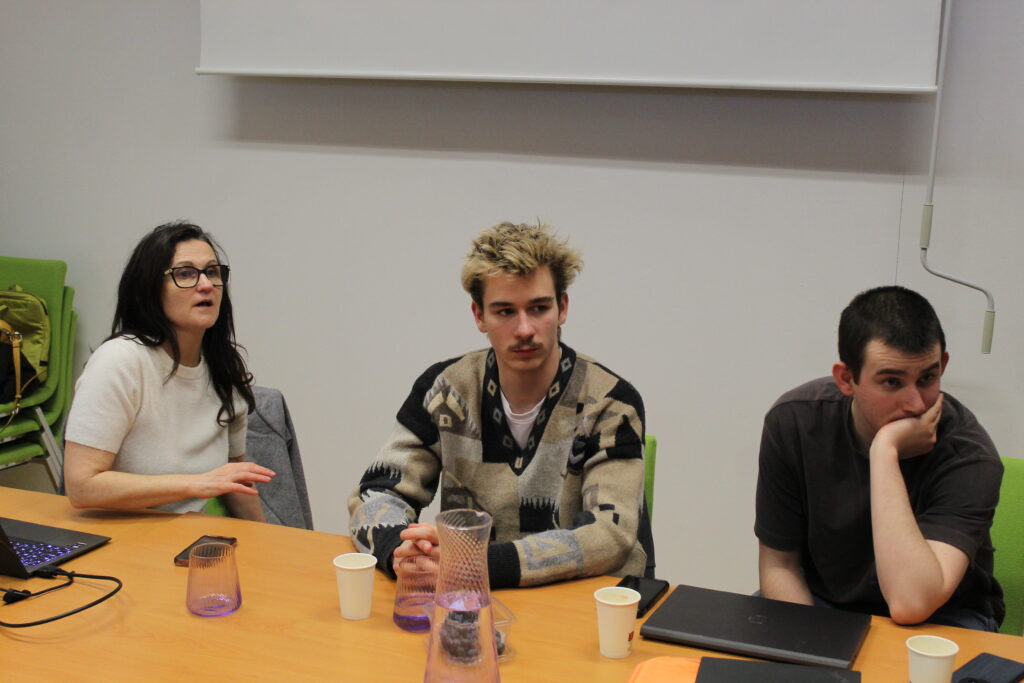
The stakeholder round table, moderated by Dr. AMARIEI, focused on what MALTESE leaves behind for rural Malta. Participants highlighted that low interest among some farmers is linked to limited incentives, skills gaps and lack of confidence. They also stressed the need to introduce agriculture, sustainability, entrepreneurship and digital literacy from an early age.

The event concluded that MALTESE leaves behind a practical pathway for connecting local data, digital tools, training, mentoring and stakeholder dialogue. Future work should focus on local ownership, continued engagement, education, incentives and long-term use of the project results.

Keywords/tags: MALTESE, rural innovation, Malta, digital agriculture, PoliRuralPlus

Meta description: MALTESE final event in Malta presented digital tools, training results, participant pitches and next steps for rural innovation.

Views: 3

REMINDER: JOIN THE MALTESE FINAL DISSEMINATION EVENT IN MALTA

MALTESE Consortium is pleased to invite stakeholders, farmers, rural entrepreneurs, youth representatives, public institutions, advisory actors, SMEs, NGOs, and all those interested in rural innovation to join the MALTESE FINAL DISSEMINATION EVENT, which will take place on 25 June 2026, from 09:30 to 13:00, in Malta.

The event will be hosted at: MDIA, Twenty20 Business Centre, Triq l-Intornjatur, Zone 3, Central Business District, Birkirkara, CBD 3050, Malta

The Final Dissemination Event will present the main results achieved by the MALTESE project, with a focus on digital innovation, youth leadership, circular agri-business development, smart irrigation, and stronger rural-urban connections in Malta.

Participants will have the opportunity to learn more about the digital tools developed and tested during the project, including the JackDaw GeoAI Chatbot, Map Whiteboard, E-Market platform, and SMART irrigation-related outputs. The programme will include a live demonstration by SEMABLU, presentations from the project partners, and a discussion on the future of rural innovation in Malta.

The event will also feature short presentations from the three MALTESE pitching winners.

A certificate handover moment will be organised during the event, followed by a stakeholder discussion moderated by Dr. Eng. Daniel AMARIEI, PAMEA.

The MALTESE project has worked to support Malta’s rural communities by strengthening digital skills, promoting circular economy practices, encouraging youth entrepreneurship, and creating practical links between rural producers, local stakeholders, and urban markets.

Participation in the event is free of charge, but registration is required.

Event details

Date: 25 June 2026
Time: 09:30–13:00

Venue: MDIA, Twenty20 Business Centre, Birkirkara, Malta

Registration: https://forms.gle/6nz1LGT4EbG74kQf6

We look forward to welcoming participants to the MALTESE Final Dissemination Event and sharing the project’s final results, lessons learned, and future opportunities for rural innovation in Malta.

Views: 4

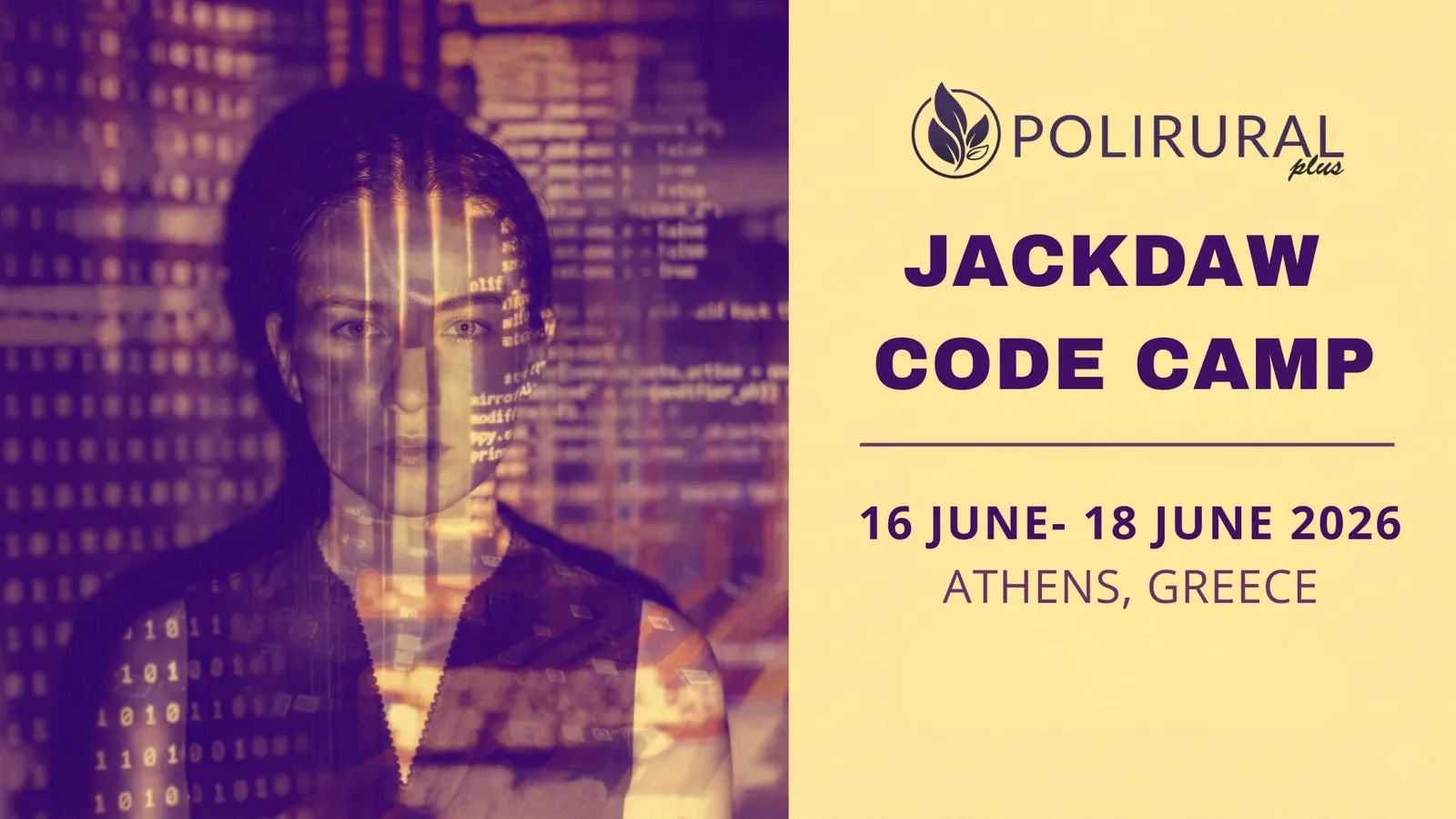
MALTESE Project Participates in the PoliRuralPlus JackDaw Code Camp in Athens

MALTESE project participated in the PoliRuralPlus JackDaw Code Camp, held in Athens, Greece, from 16 to 18 June 2026.

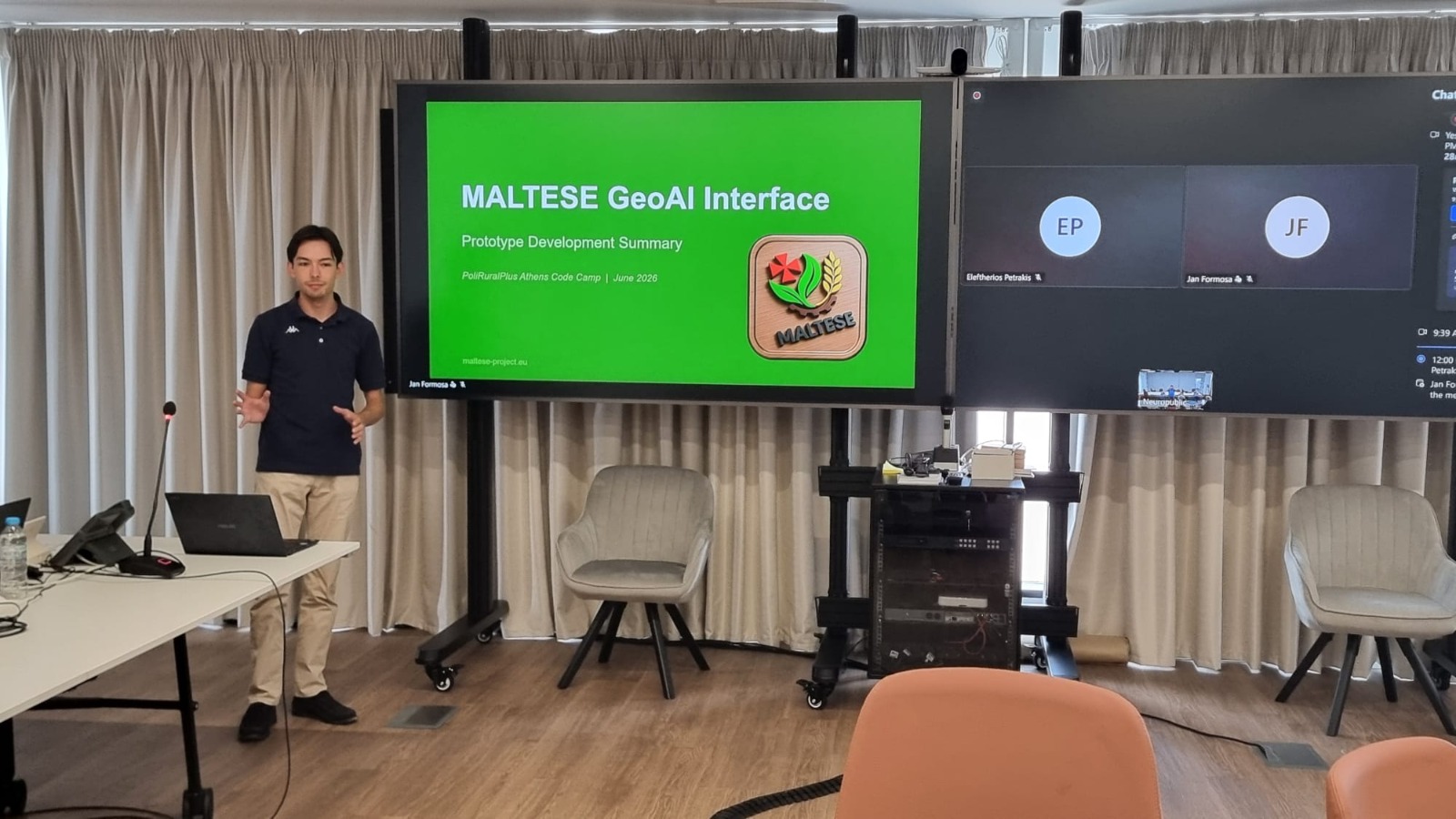
MALTESE was represented by Dr. Eng. Daniel AMARIEI from PAMEA and Jan FORMOSA from SEMABLU. Their participation offered the project team the opportunity to engage in a highly interactive working environment, exchange knowledge with technical partners and other participants, and contribute to discussions on the further development of digital tools and pilot-oriented solutions.

The Athens Code Camp focused on the PoliRuralPlus digital ecosystem, with particular attention to the JackDaw GeoLLM platform, data integration, RAG and GeoRAG workflows, and support for pilot applications. The event created a practical setting where participants could work together, explore technical options, and identify improvements for ongoing project developments.

For the MALTESE project, the event represented a valuable opportunity to present and further reflect on the developed prototype, while identifying possible improvements for its next stages of development. The collaborative format allowed the project representatives to gather input, discuss technical needs, and strengthen the alignment of the prototype with relevant digital innovation approaches.Participation in the Athens Code Camp marks an important step in MALTESE’s ongoing work to develop practical and user-oriented solutions. Further updates will follow with more detailed information on the project’s contribution, lessons learned, and the improvements identified during the event.

Views: 15

MALTESE Training Successfully Concludes in Malta

MALTESE Training has successfully concluded after four days of practical learning, collaboration, and hands-on work on digital innovation, entrepreneurship, and sustainable rural development.
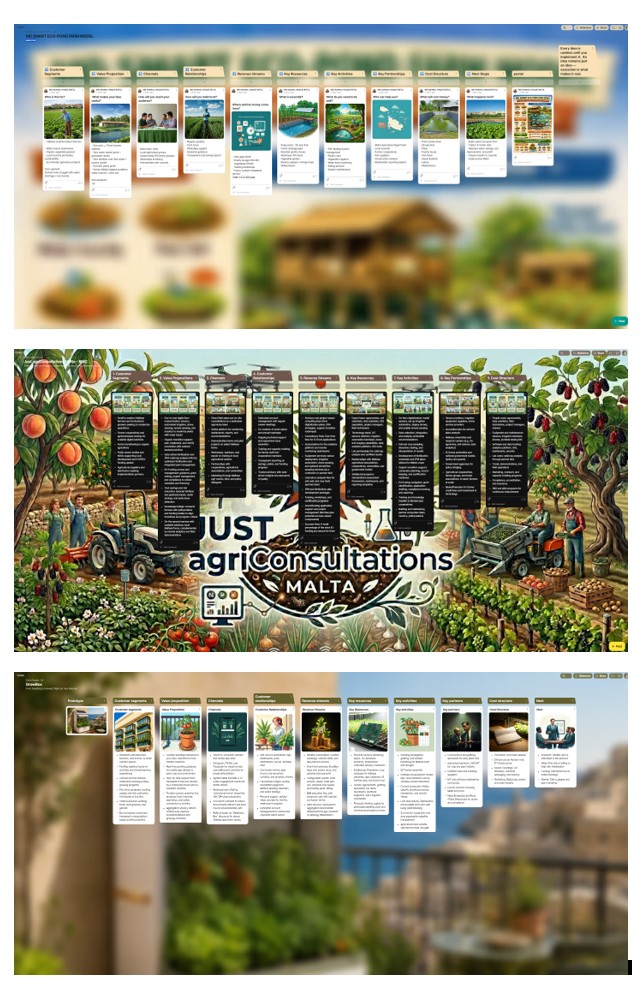
During the final sessions, participants refined and presented their Business Model Canvas ideas, applying the tools and concepts explored throughout the training.
The three winning BMC topics were: GrowBox, Just AgriConsultations Malta and MD Smart Eco-Pond Farm Model, these ideas reflecting strong engagement with rural innovation, circular economy thinking, and practical solutions for Malta’s agricultural and entrepreneurial context.
A sincere thank you goes to all participants. Their presence, active involvement, and contributions made the training possible and meaningful. No matter how carefully an activity is prepared, its real value comes from the people who take part in it.
The training proved to be a valuable success, bringing together motivated participants, practical tools, and concrete ideas for future rural development.
During the wrap-up discussion and training evaluation, one clear conclusion emerged: activities of this kind should be repeated, especially in the field of agricultural digitalisation. Participants highlighted the importance of practical, hands-on learning opportunities that help farmers, young people, entrepreneurs, and local stakeholders better understand and use digital tools in real agricultural and rural contexts.

Views: 24

MALTESE Training Successfully Started in Malta

The MALTESE Training successfully started yesterday, 05 May 2026, bringing together participants in Malta for a practical learning experience focused on digital innovation, entrepreneurship, and sustainable rural development.

The first day was dedicated to the presentation of the MALTESE Prototype, introducing participants to the project’s integrated digital ecosystem and its role in supporting rural innovation through smart, accessible, and practical tools.

Participants explored the three main pillars of the MALTESE digital approach:

JackDaw GeoAI Chatbot, presented as a smart advisory tool supporting users with guidance, location-based information, and practical decision-making support.

Map Whiteboard, introduced as a collaborative mapping and planning tool designed to support visual thinking, local challenge identification, and community-based planning.

E-Market Platform, presented as a digital marketplace concept helping rural producers and entrepreneurs connect more directly with markets and consumers.

Each session included practical demonstrations and interactive use of the tools, allowing participants to better understand how the MALTESE Prototype can support real-life rural development, entrepreneurship, and circular economy initiatives.

The training continues over the following days with further hands-on sessions on community planning, circular economy practices, smart irrigation, business model development, and participant-led project ideas.

Views: 13

MALTESE Training in Malta Announced for 5-8 May 2026

The MALTESE project will organise its upcoming Training in Malta from 5 to 8 May 2026 in Sliema. The programme will focus on digital tools, entrepreneurship, community planning, circular agri-business, smart irrigation, and mentoring, while giving participants hands-on experience with JackDaw, Map Whiteboard, and the Rural-Urban E-Market.

Read more..

Views: 14

Creating Synergies to Support Malta’s Green and Digital Farming Transition

Potential Synergies with Greenfit Project

Supporting greener farming in Malta through digital skills and practical training

Towards the end of February 2026, the PoliRuralPlus Malta Pilot 9 Team at AcrossLimitsparticipated in the GreenFit Project’s focus group at the Valletta Design Cluster in Malta, organised by Malta Youth in Agriculture (also a former implementer of a PoliRuralPlus cascade project – AgriTech Ideathon) and Merill Rural Network.

The event created an important space for dialogue around the realities facing Maltese farmers today, especially as they work to adapt to growing environmental, economic, and technological pressures. One of the clearest messages to emerge from the discussion was the need to make digitalisation more accessible and affordable for the farming community. Farmers highlighted that while digital tools can play a major role in supporting greener, more resilient, and more efficient agricultural practices, the cost and accessibility in adopting these technologies remain a major barrier. From precision farming solutions to data-driven planning tools, many innovations have the potential to improve sustainability and productivity, but they are often out of reach for small-scale producers unless the right support mechanisms are in place.

This is where PoliRuralPlus pilots can complement all these efforts.

Through the project’s Malta Pilot 9AcrossLimits will organise a series of training sessions and events in Malta and Gozo between April and July, also in collaboration with the ongoing MALTESE Poliruralplus Cascade project financed through the Develop Call. These activities are designed to support farmers and other rural stakeholders in exploring practical pathways towards more digitisation within agriculture. The sessions will focus on three key areas:

  • identifying funding opportunities that can help farmers invest in innovation,
  • introducing digital tools that are relevant and usable in the local context,
  • and promoting sustainable practices that strengthen resilience while responding to environmental challenges.

By combining knowledge-sharing, capacity-building, and stakeholder engagement, the Malta Pilot aims to ensure that innovation is not only discussed but translated into practical value for rural communities. The goal is to help farmers better understand the options available to them and build confidence in using tools and approaches that can support their long-term sustainability.

The Greenfit focus group also reinforced a wider message that is central to PoliRuralPlus: successful rural innovation depends not only on technology itself, but on the ecosystems that enable people to access, understand, and apply it. Training, collaboration, and targeted support are therefore essential if digitalisation is to deliver real benefits on the ground.

We are pleased to see these conversations taking shape in Malta and look forward to continuing the work with local actors over the coming months.

Stay tuned for more updates from the Malta Pilot and the wider PoliRuralPlus community.

Views: 14

MALTESE Kick-off Meeting Day 2 in Vienna

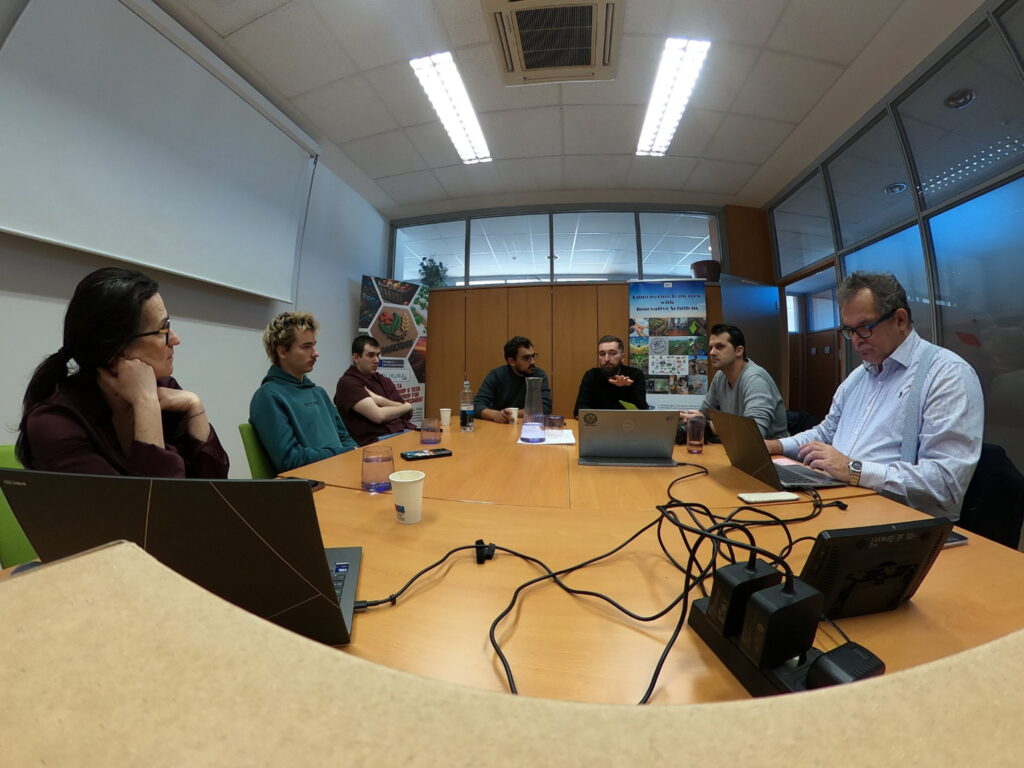
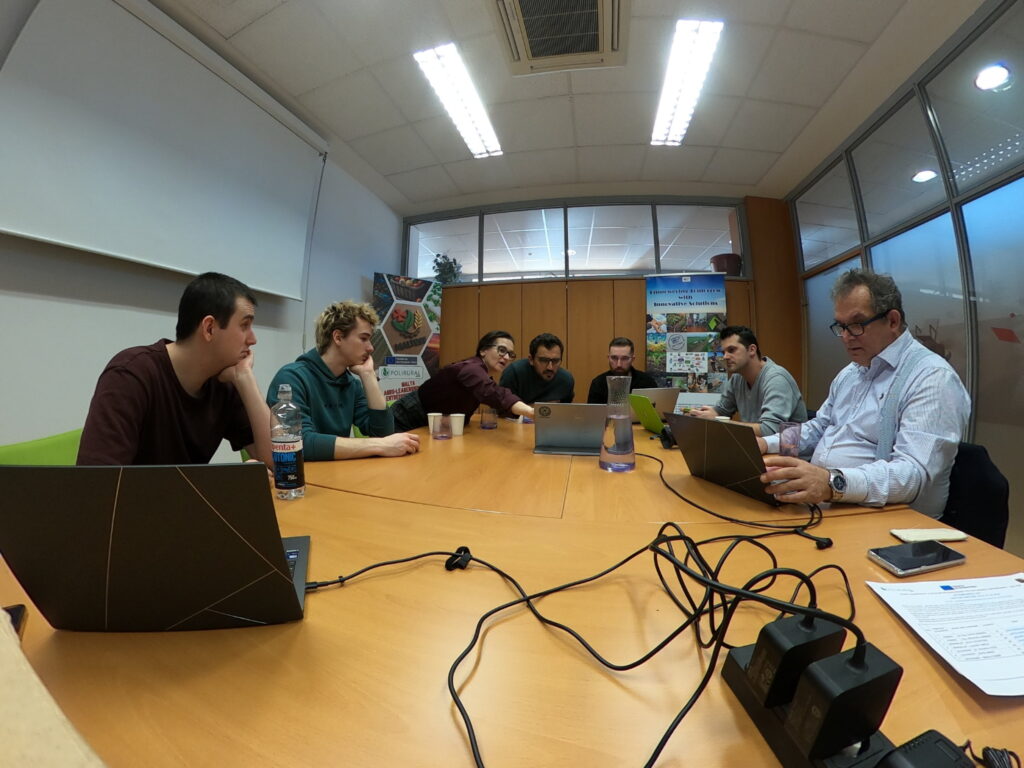
On 27 January 2026, the MALTESE partners completed the second day of the Kick-off Meeting in Vienna by turning plans into a concrete delivery roadmap. The consortium agreed the approach for incubation activities and stakeholder engagement, refined the MVP scope and first technical sprint for the Digital Hub, and aligned on KPI tracking and monitoring arrangements. The meeting concluded with an updated milestones calendar and confirmed next steps for the first implementation phase.

Views: 28

MALTESE Kick-off Meeting Day 1 in Vienna

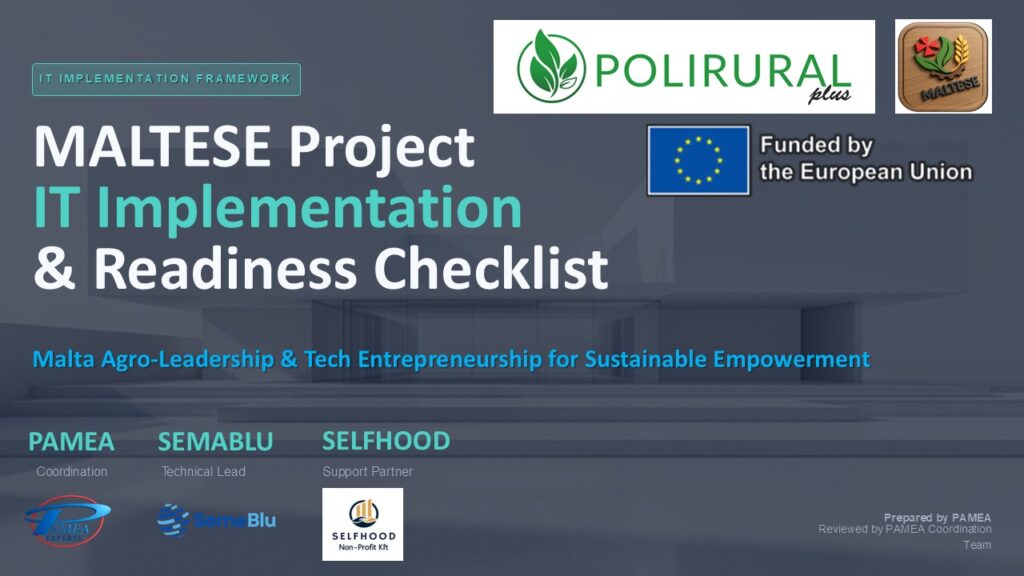
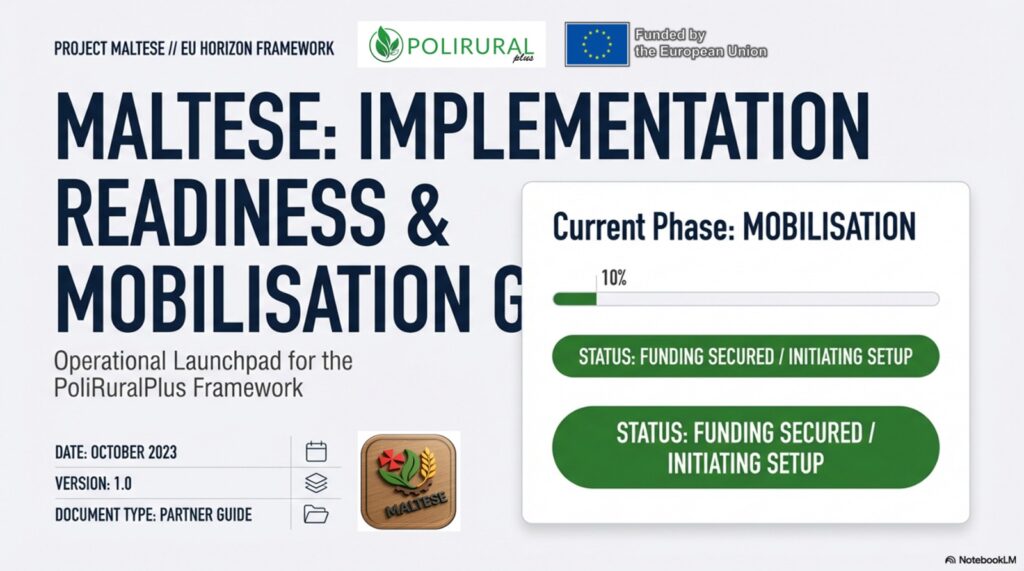
Today, 26 January 2026, the MALTESE consortium met in Vienna for Day 1 of the project Kick-off Meeting. Partners aligned on the project’s objectives, governance and coordination routines, and reviewed the initial workplan across the work packages. The afternoon focused on the Digital Hub roadmap and the structure of the training and communication activities. The day closed with an agreed list of actions and responsibilities to launch the first implementation phase.

Views: 35